Seatrout are the most forgiving inshore fish to target on artificials and the best place to learn. They hold in predictable places — grass with potholes in it, the edge of a drop, a deep channel in winter — and they will eat a bait fished at the right depth all day long.
How to catch seatrout on D.O.A. lures
Reading a grass flat
Look for grass with sandy potholes scattered through it. Trout sit in and around those holes waiting for something to cross the open sand. Fan-cast across the flat, count the bait down a few seconds so it works just over the grass tops, and hop it back. When you catch one, work that spot thoroughly — trout school, and the rest of the fish are usually within a few casts.
The cork-and-shrimp rig
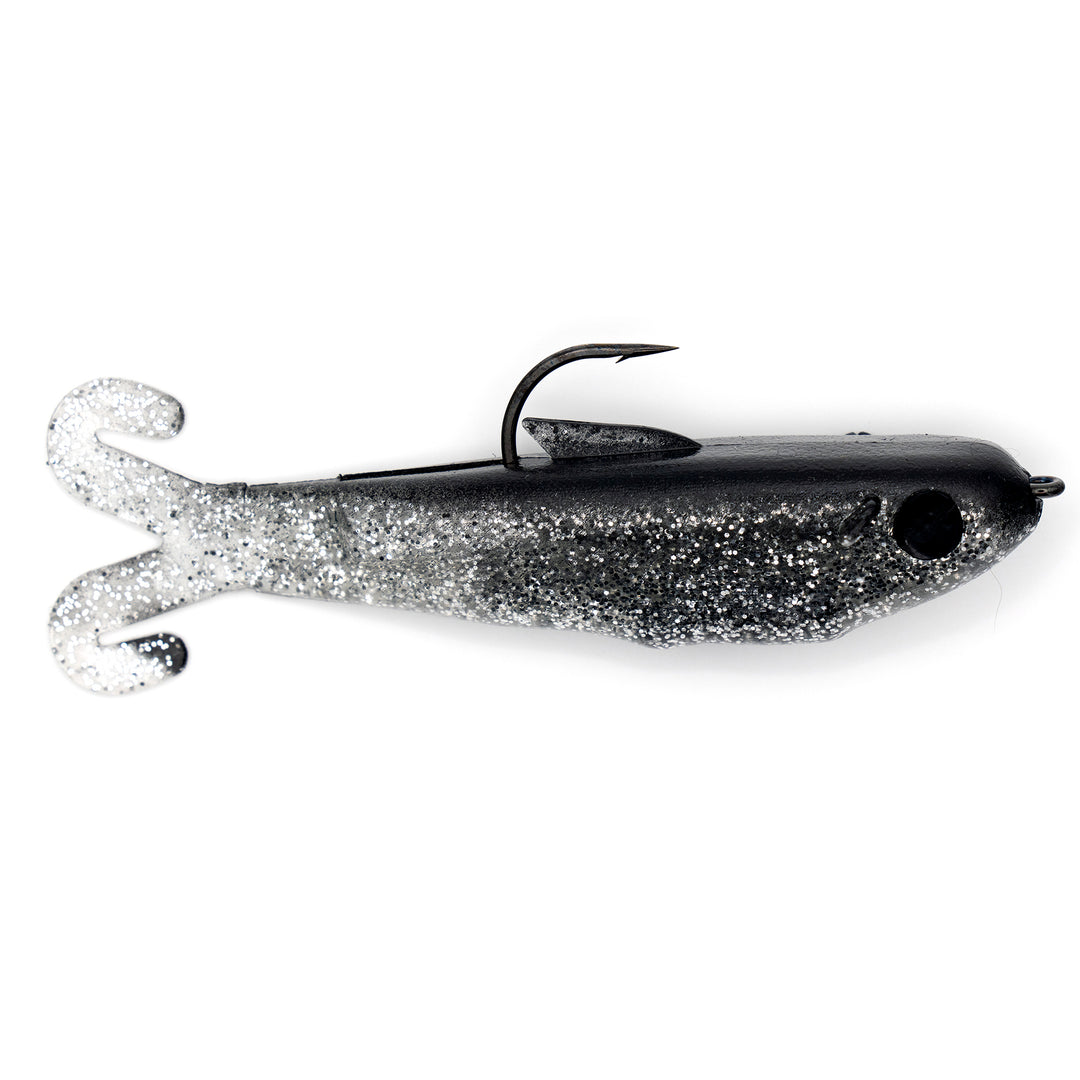
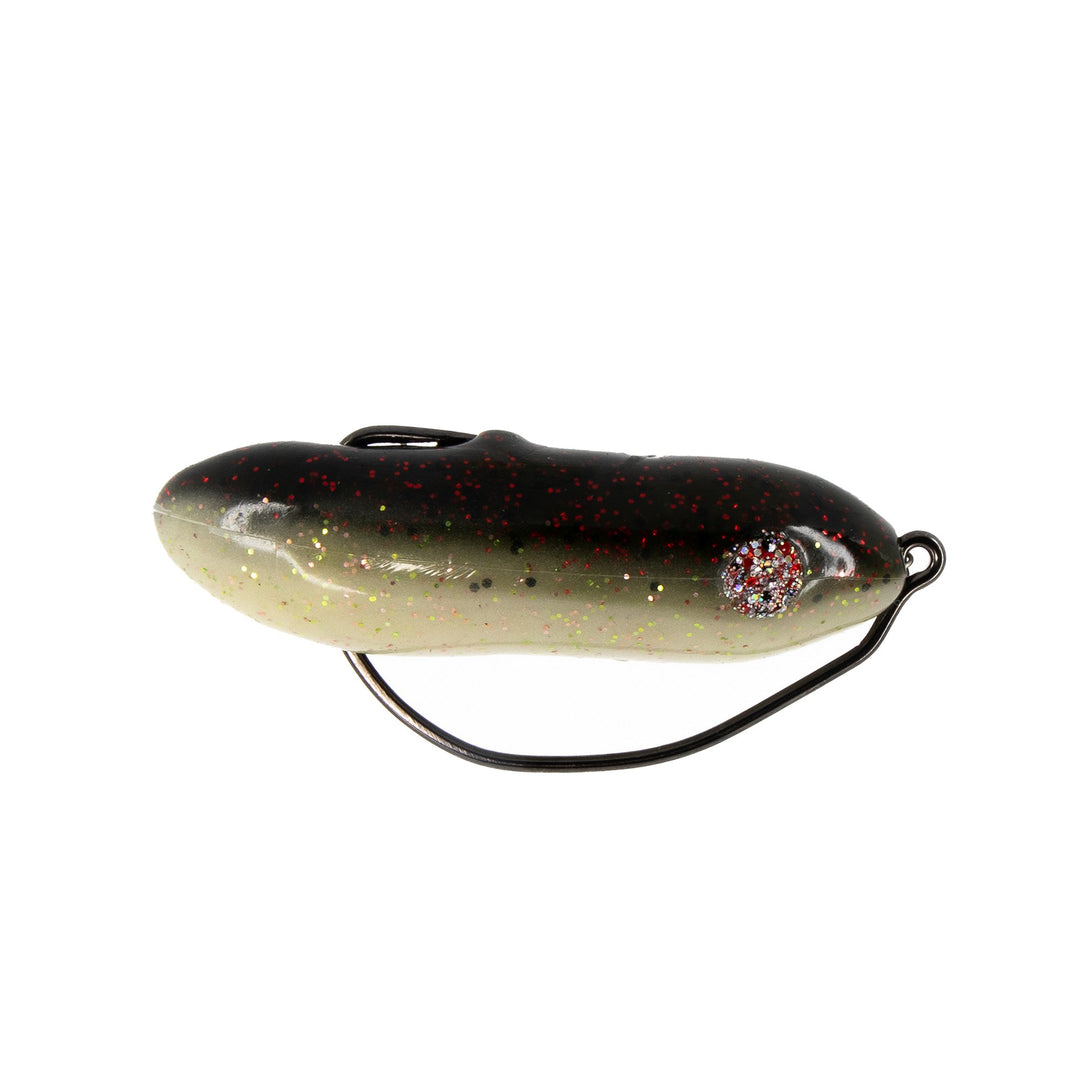
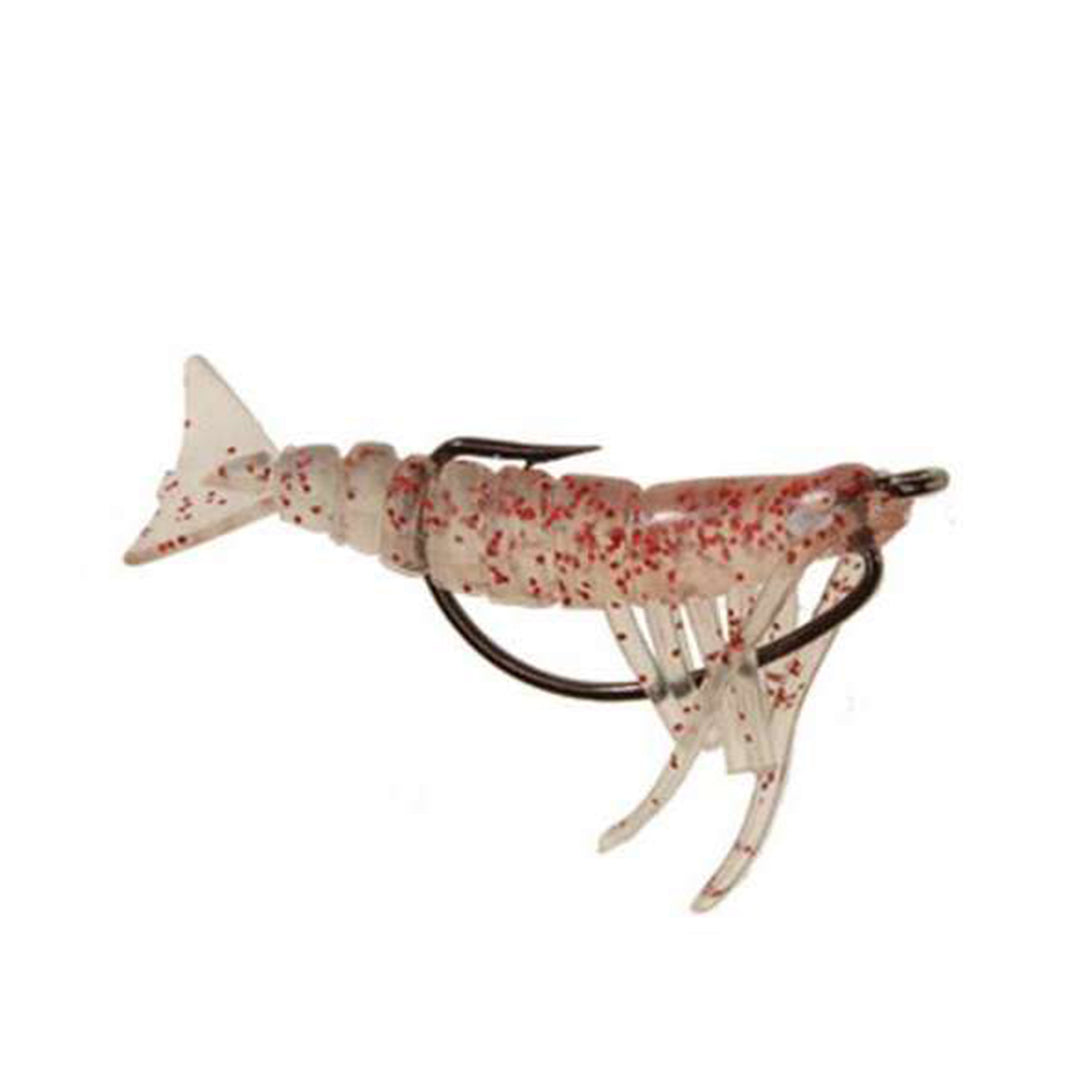
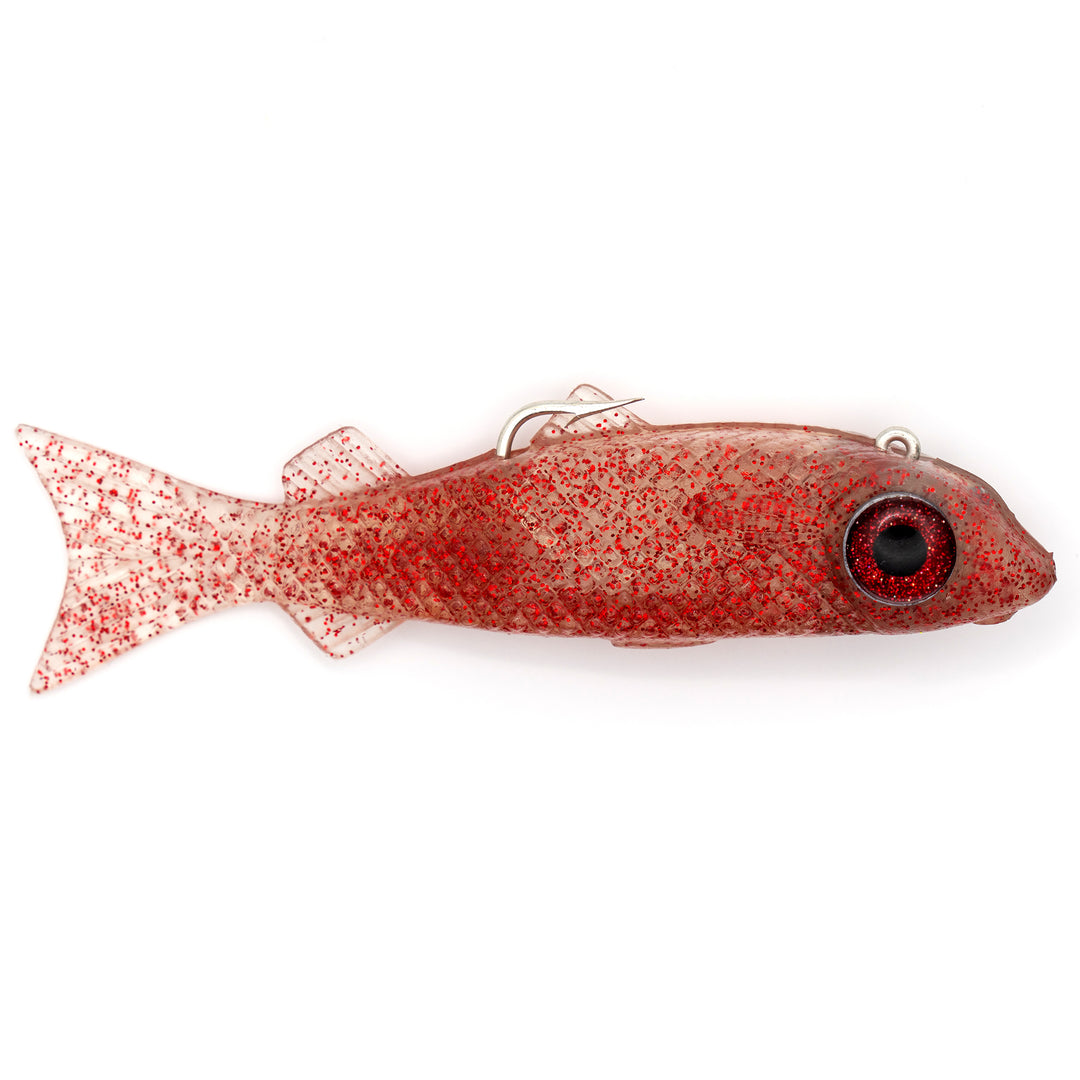
The single most productive seatrout presentation is a noisemaker in front of a shrimp. The clicking imitates fish feeding on the surface and pulls trout in from across a flat, and the bait behind it falls naturally on the pause — which is when they eat it. The Deadly Combos come rigged and ready to tie on, or build your own with an Oval, Popper or Cigar Clacker ahead of a 3" Shrimp. Pop it hard, then leave it alone. The mistake nearly everyone makes is not pausing long enough.
Jigging the flat
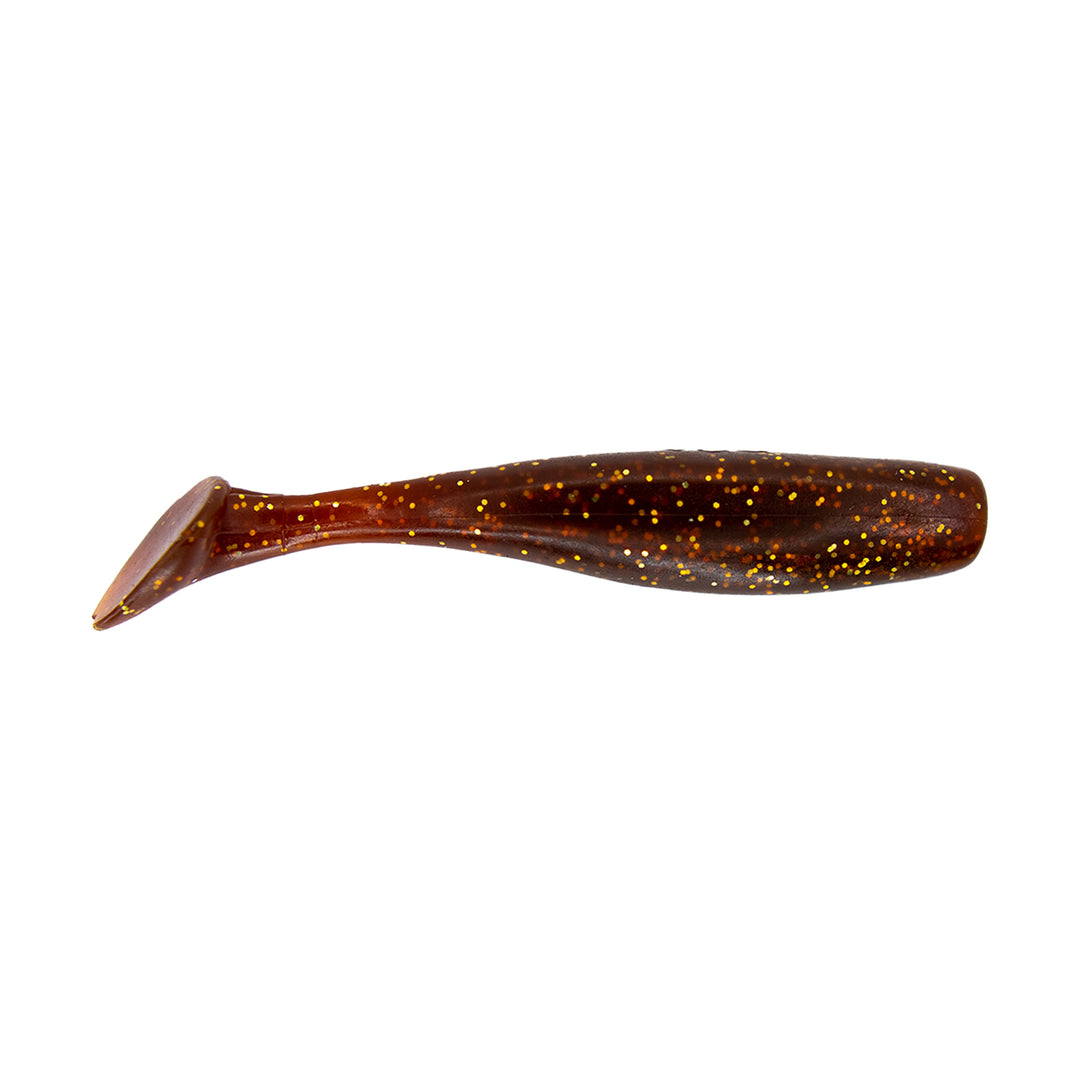
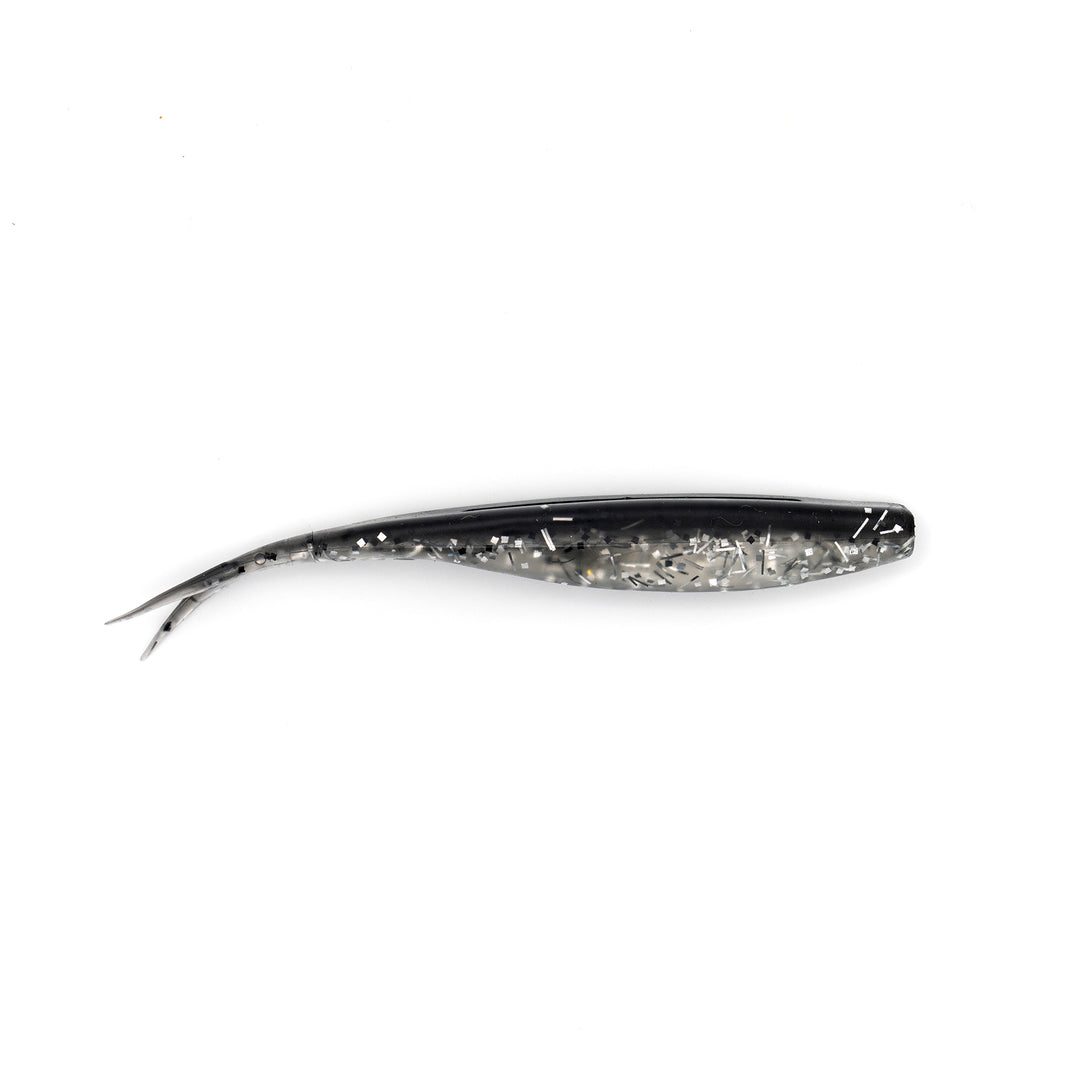
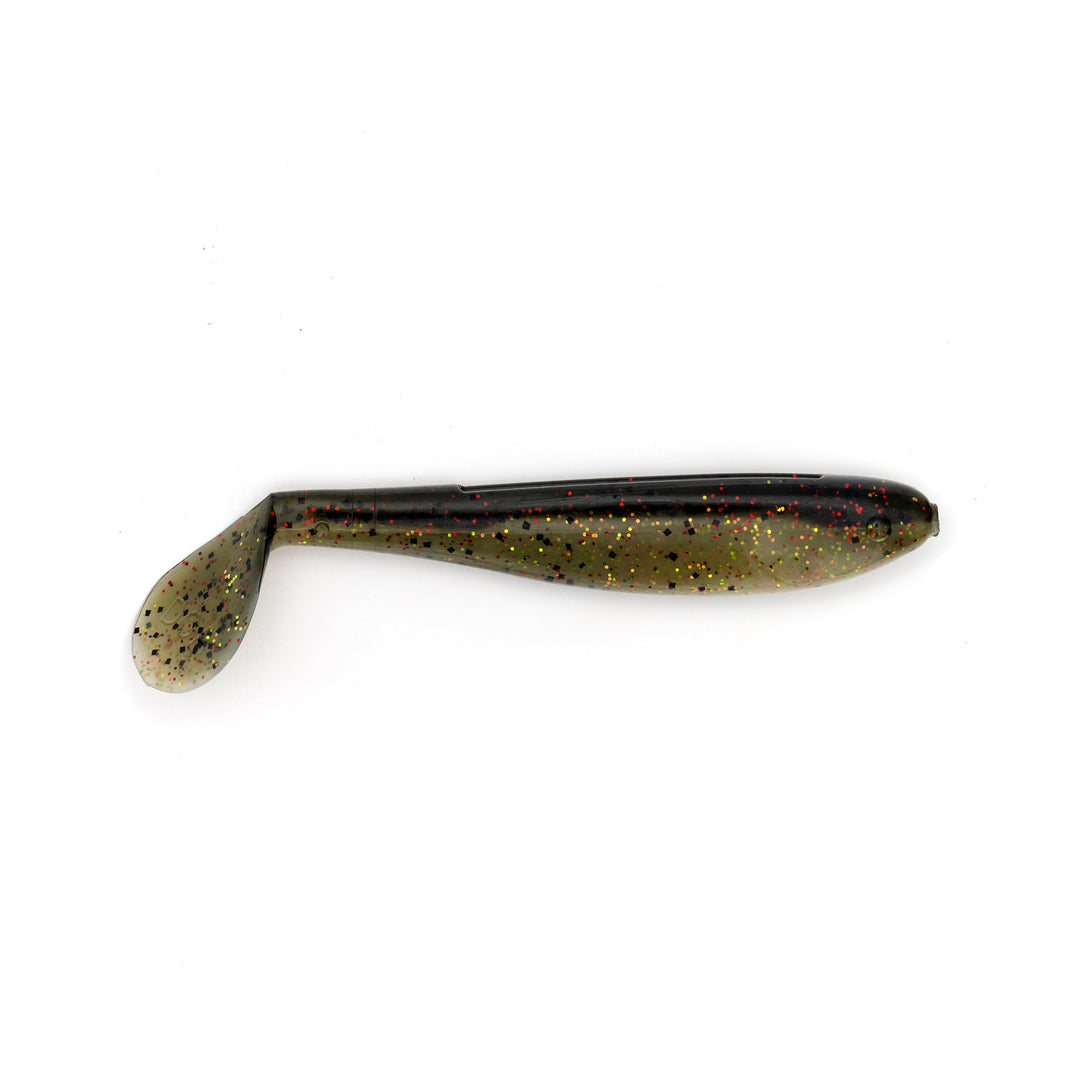
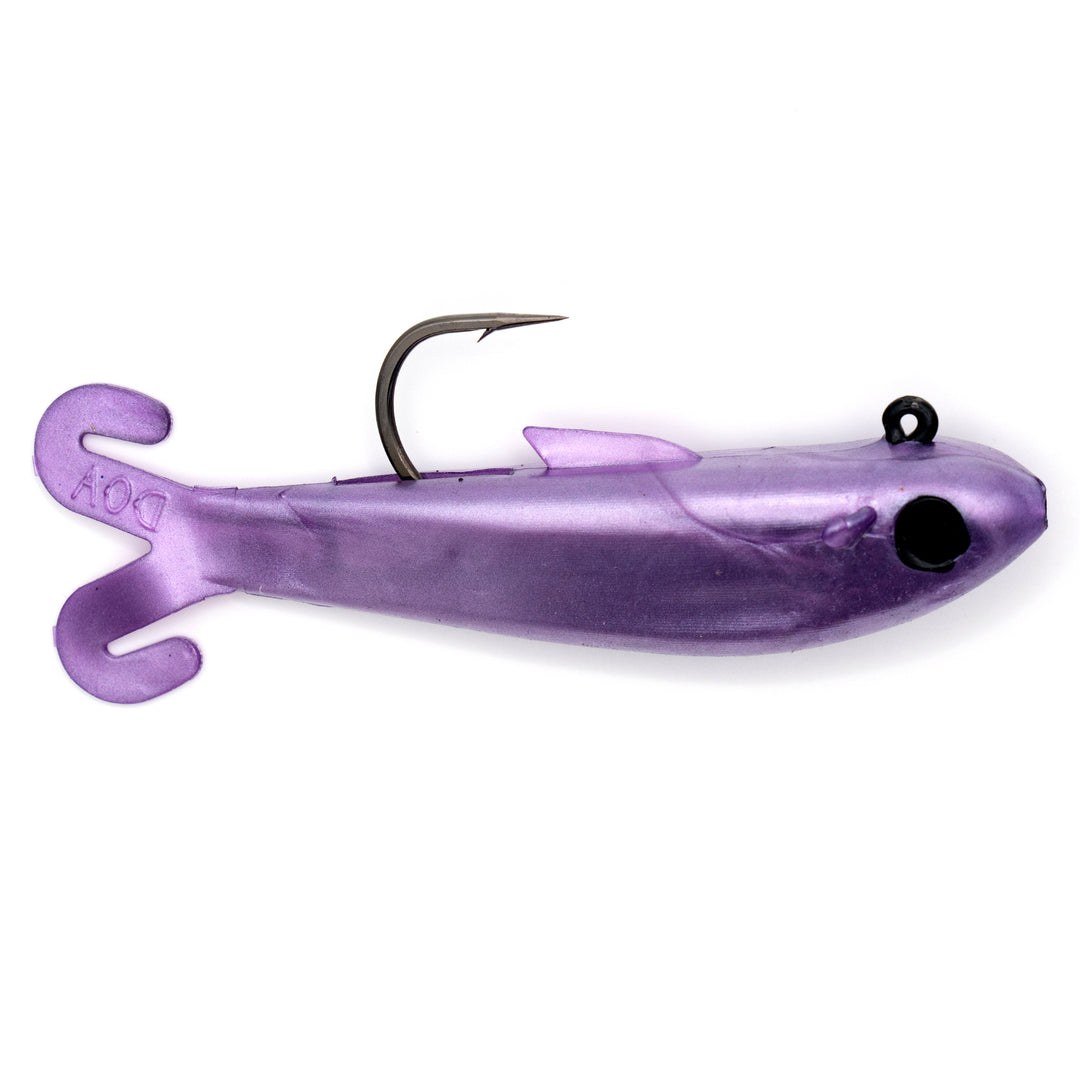
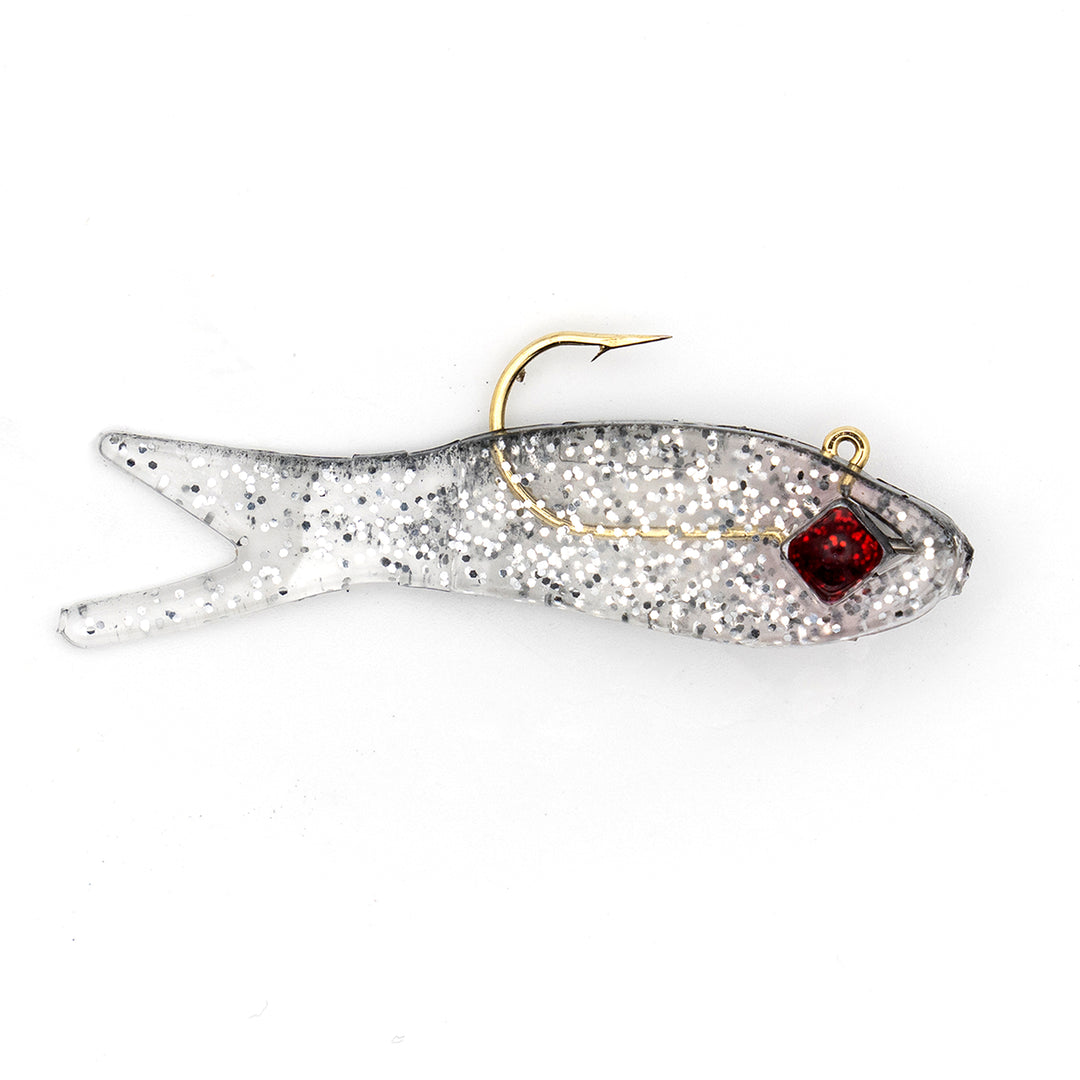
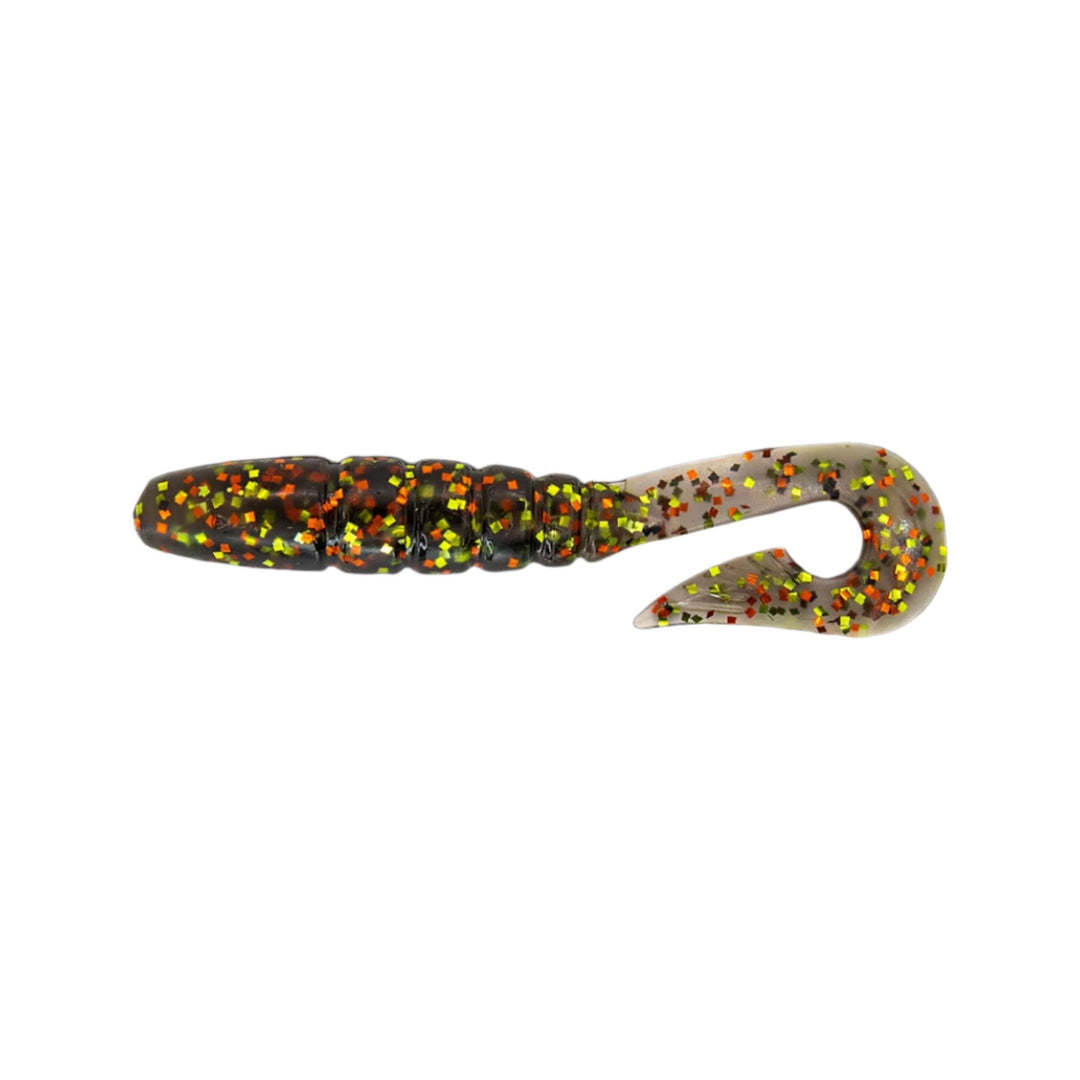
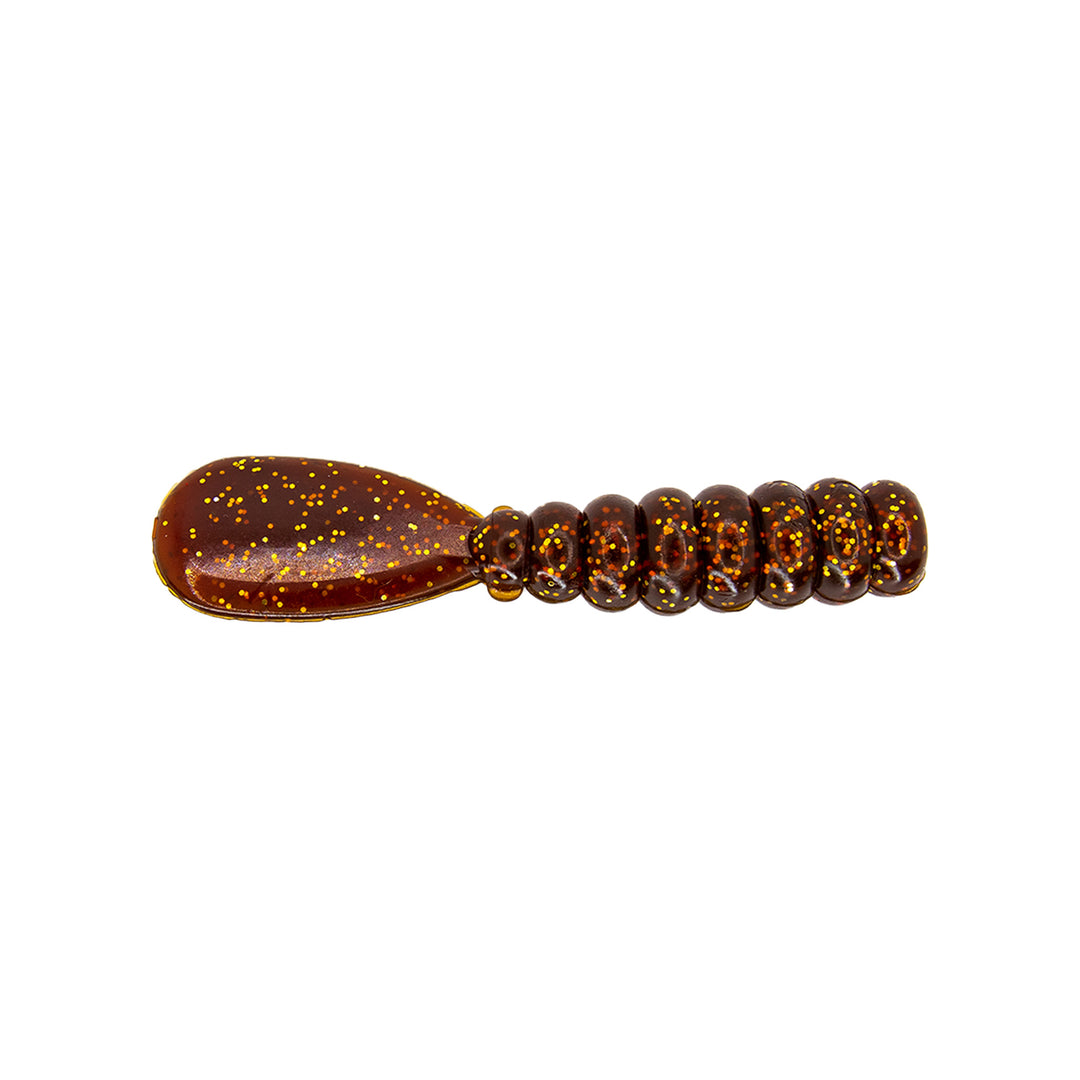
A C.A.L. 3" Shad Tail on a 1/8 or 1/4 oz short shank jig head covers more water than anything else in the box. Lift the rod tip, let it fall on a semi-slack line, repeat. Most strikes come on the fall, so if you feel weight, set the hook — do not wait to feel it again. The 3" Paddle Tail Grubs and Curl Tail work the same way with a different tail action when the fish get picky.
Winter fish
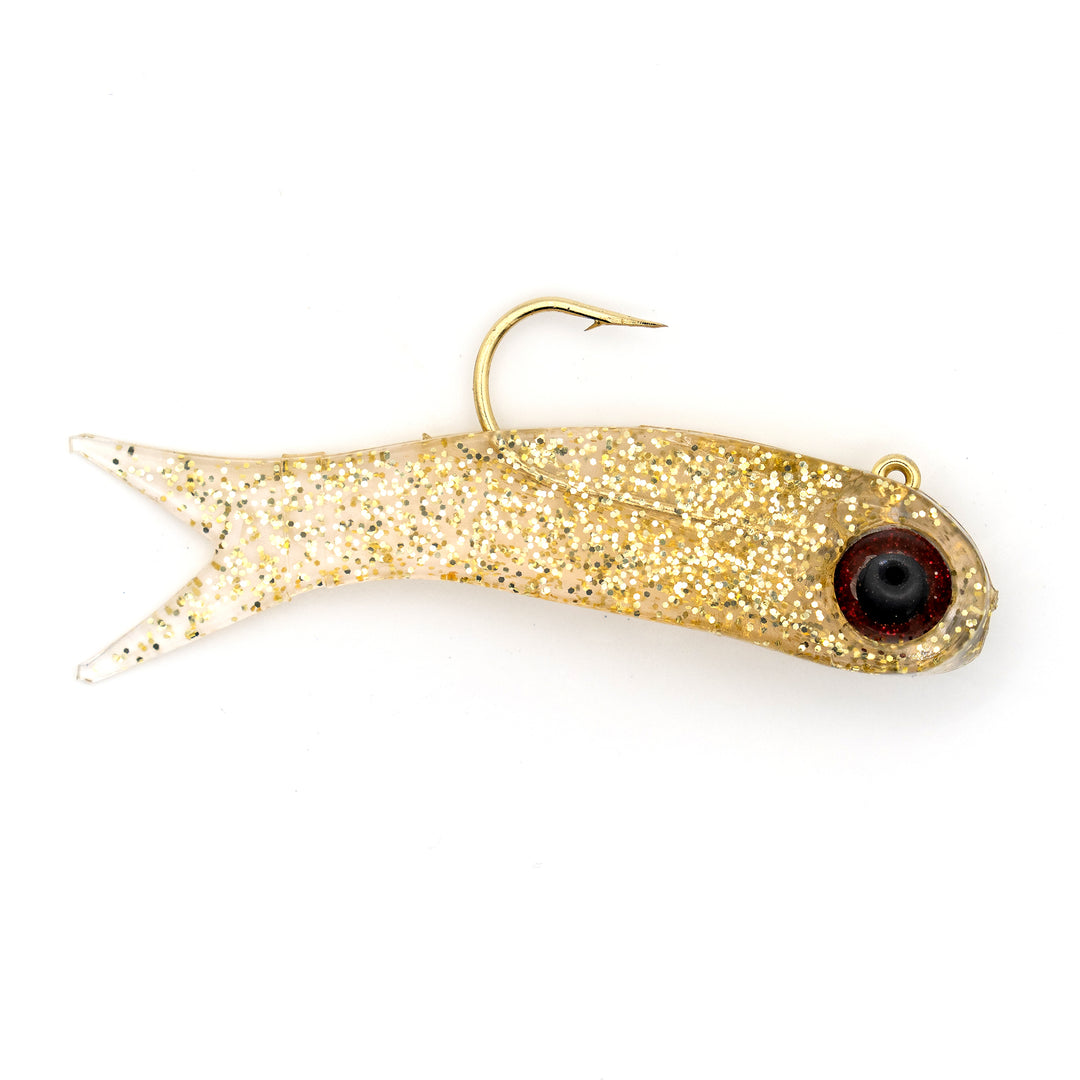
When water temperatures drop, trout move off the flats into deeper channels, creeks and residential canals and their metabolism slows right down. Slow everything: the Tiny TerrorEyz and 2" Shrimp fished almost motionlessly along the bottom of a deep hole will out-produce anything worked at summer speed.
Color
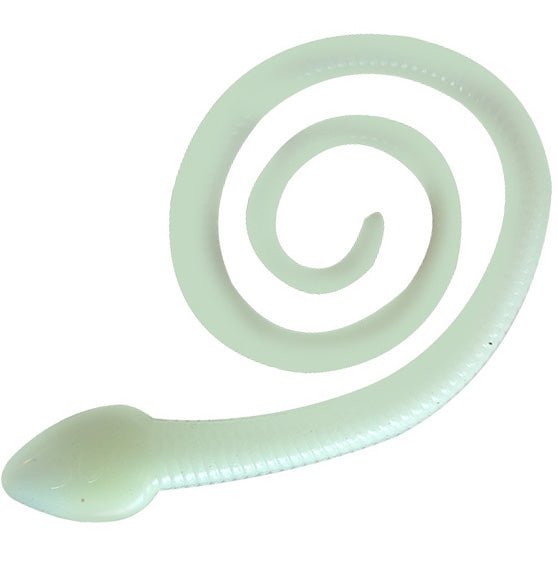
Nite Glow is the flats standard early and late. Gold Glitter and Rootbeer/Gold Glitter over grass in the middle of the day. Chartreuse-tailed patterns when the water has color in it. Trout are not leader-shy the way snook are — 20 lb fluorocarbon is plenty — but they are soft-mouthed, so keep the drag light and do not horse them.