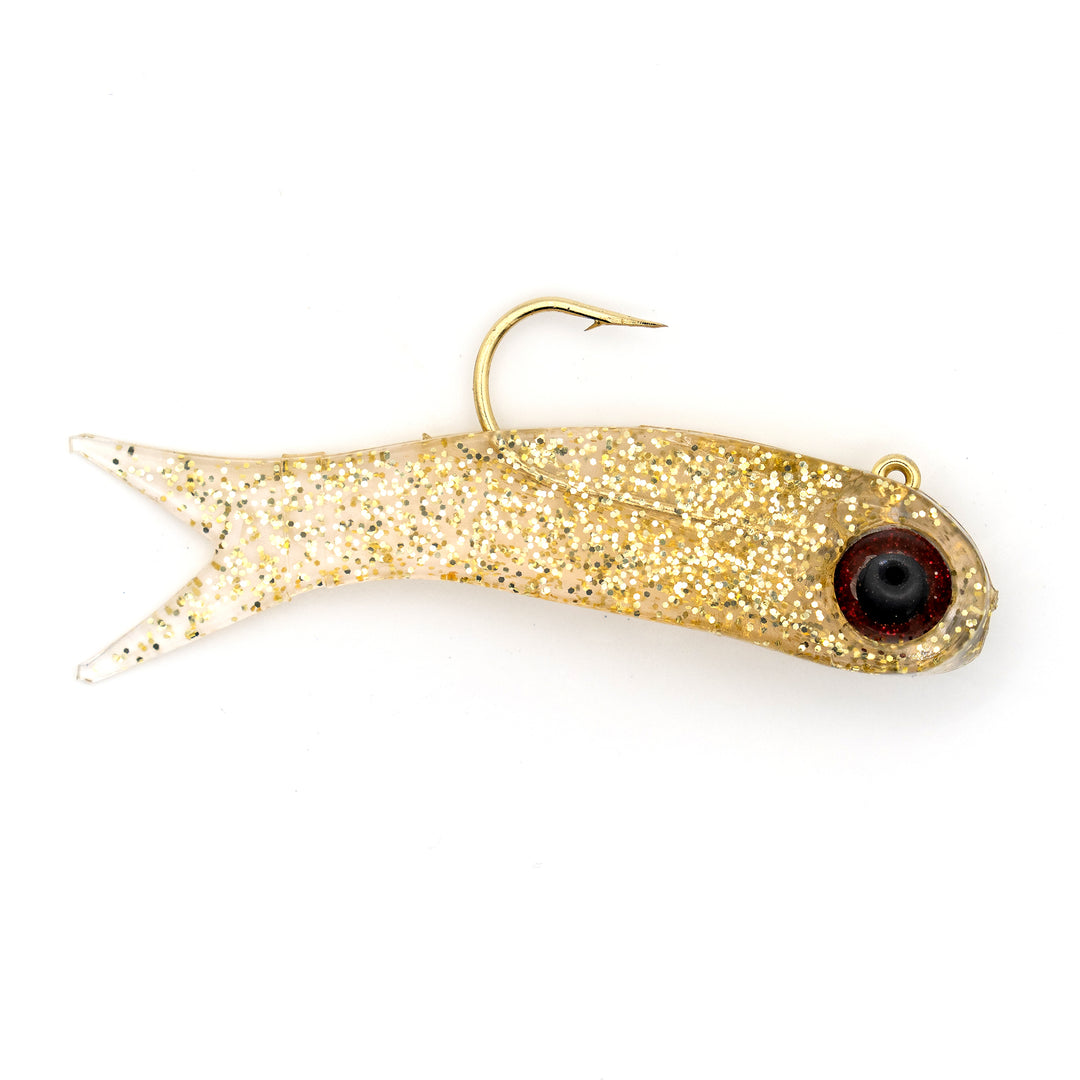
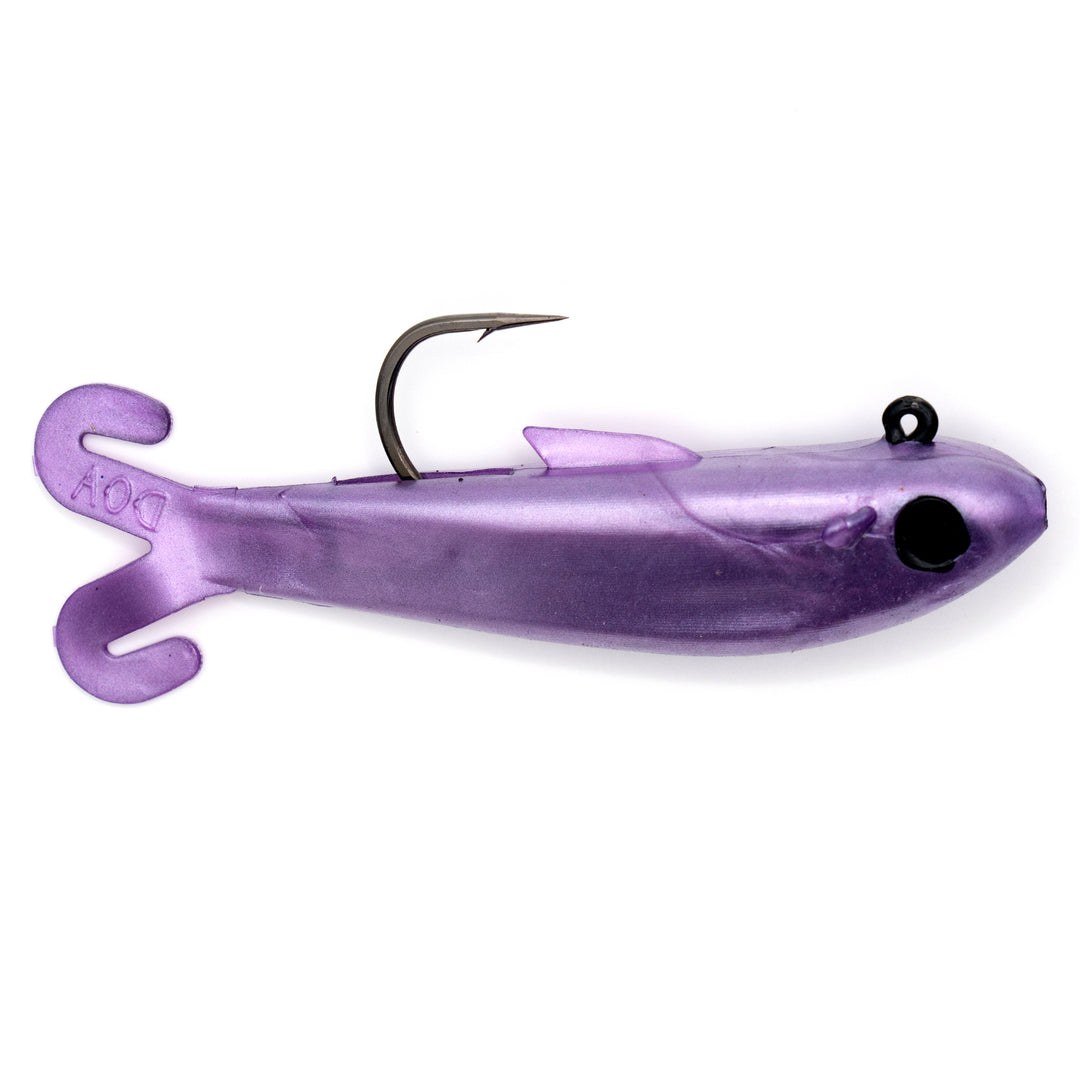
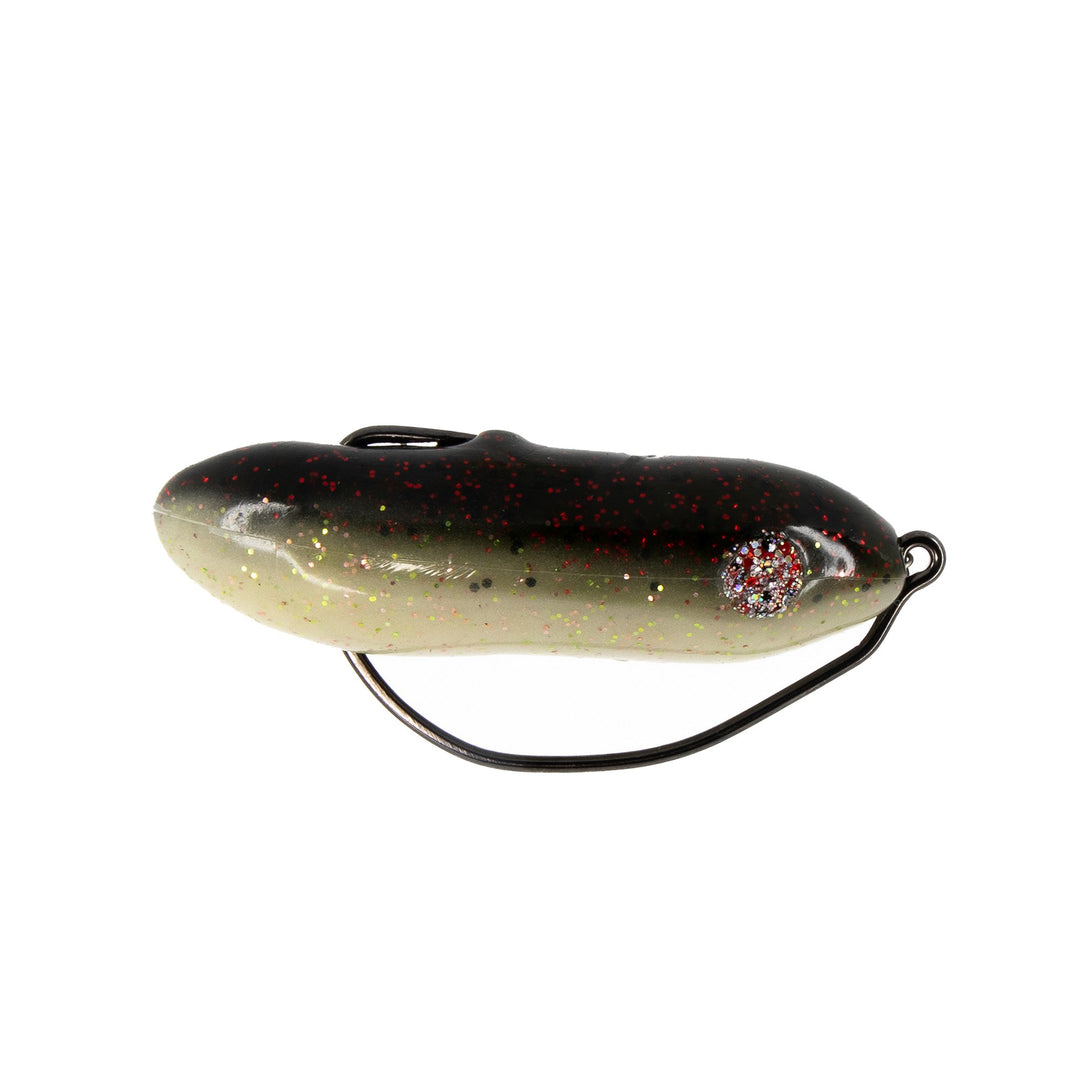
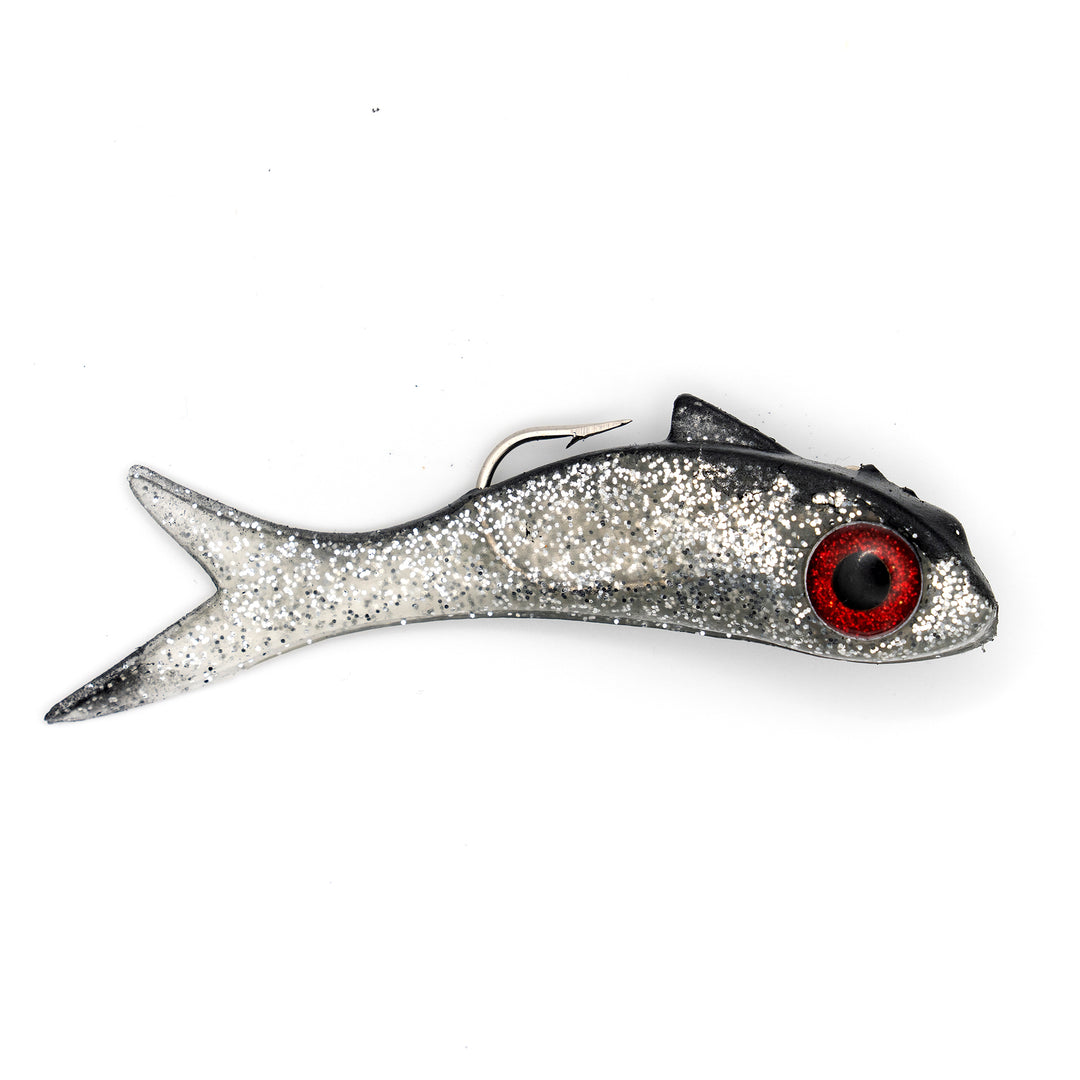
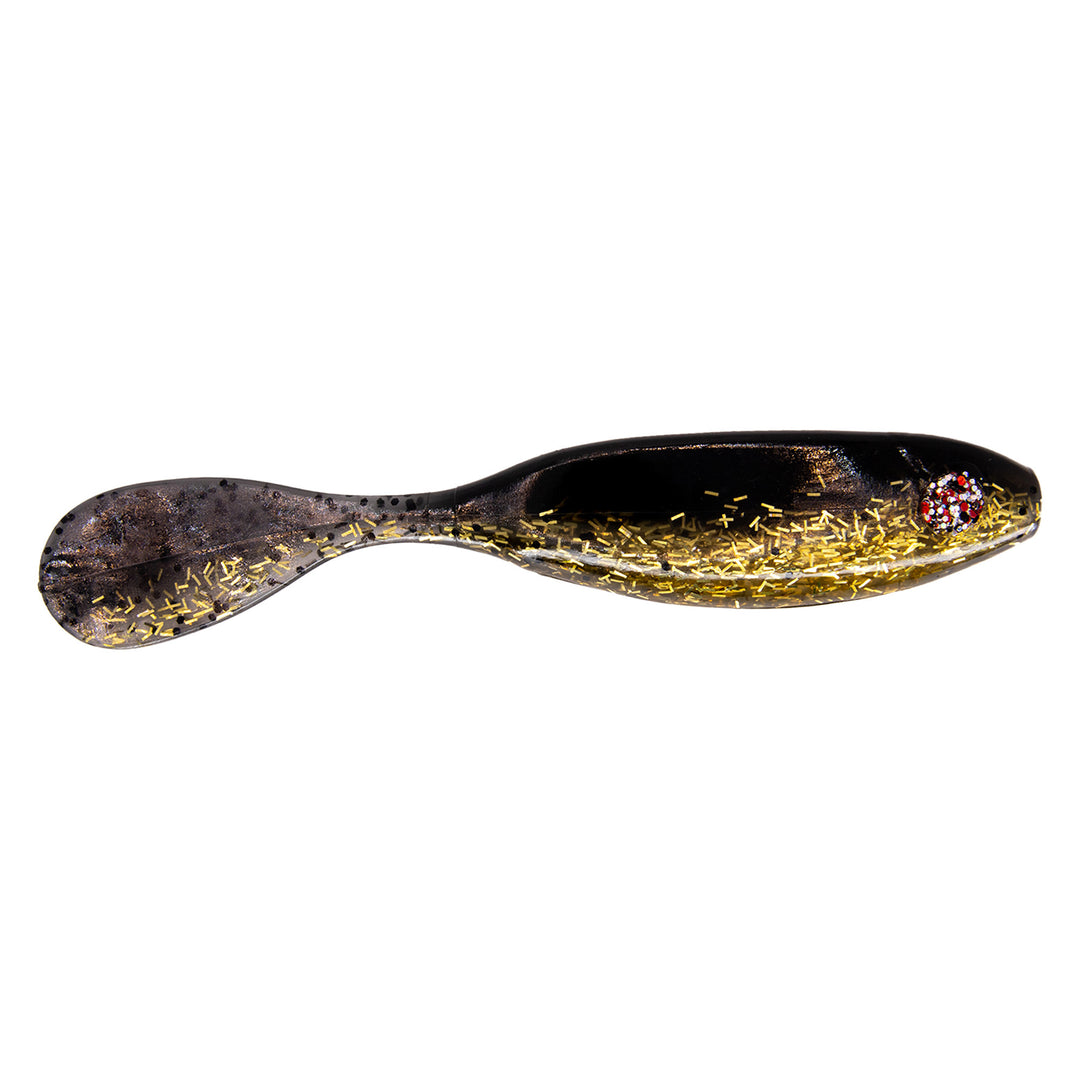
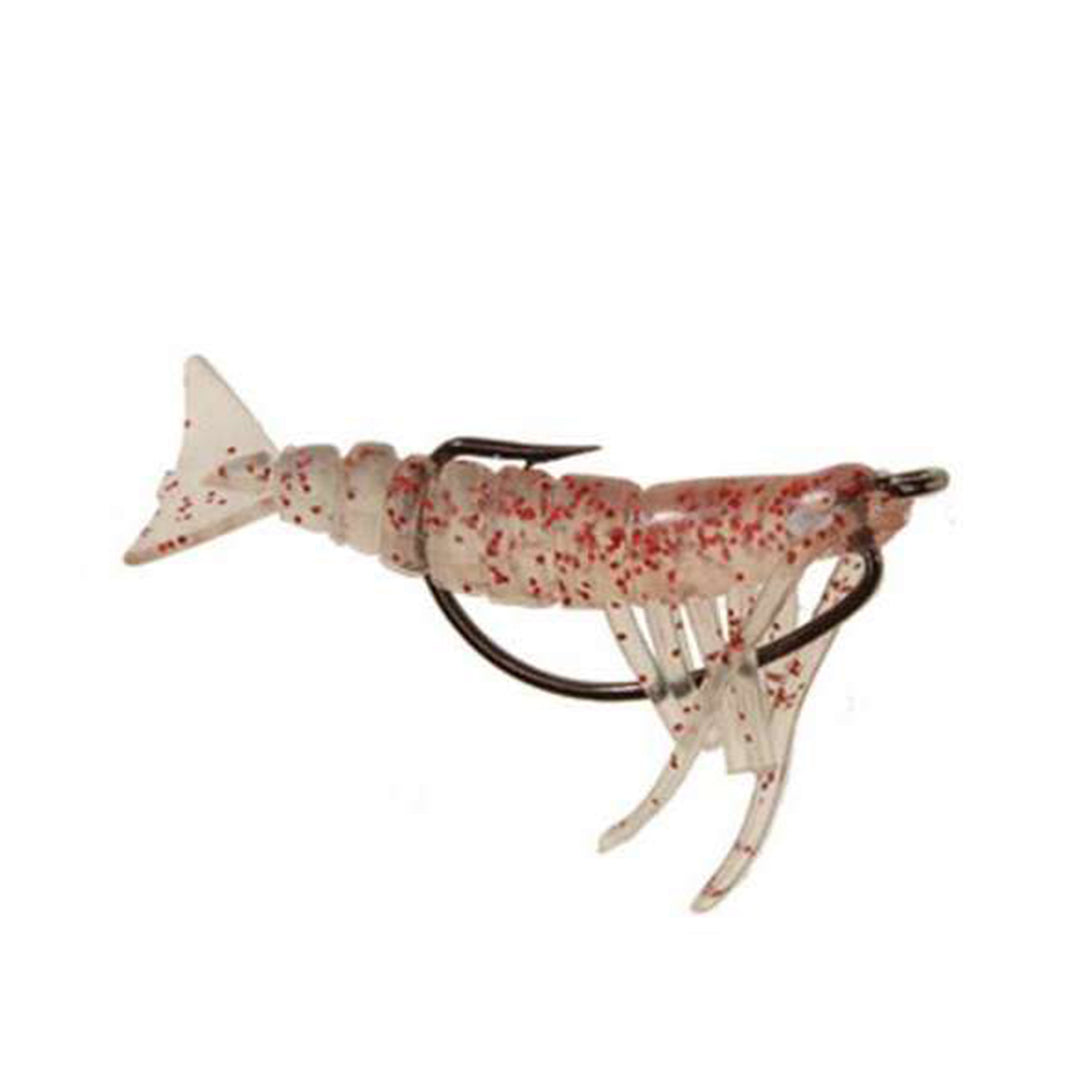
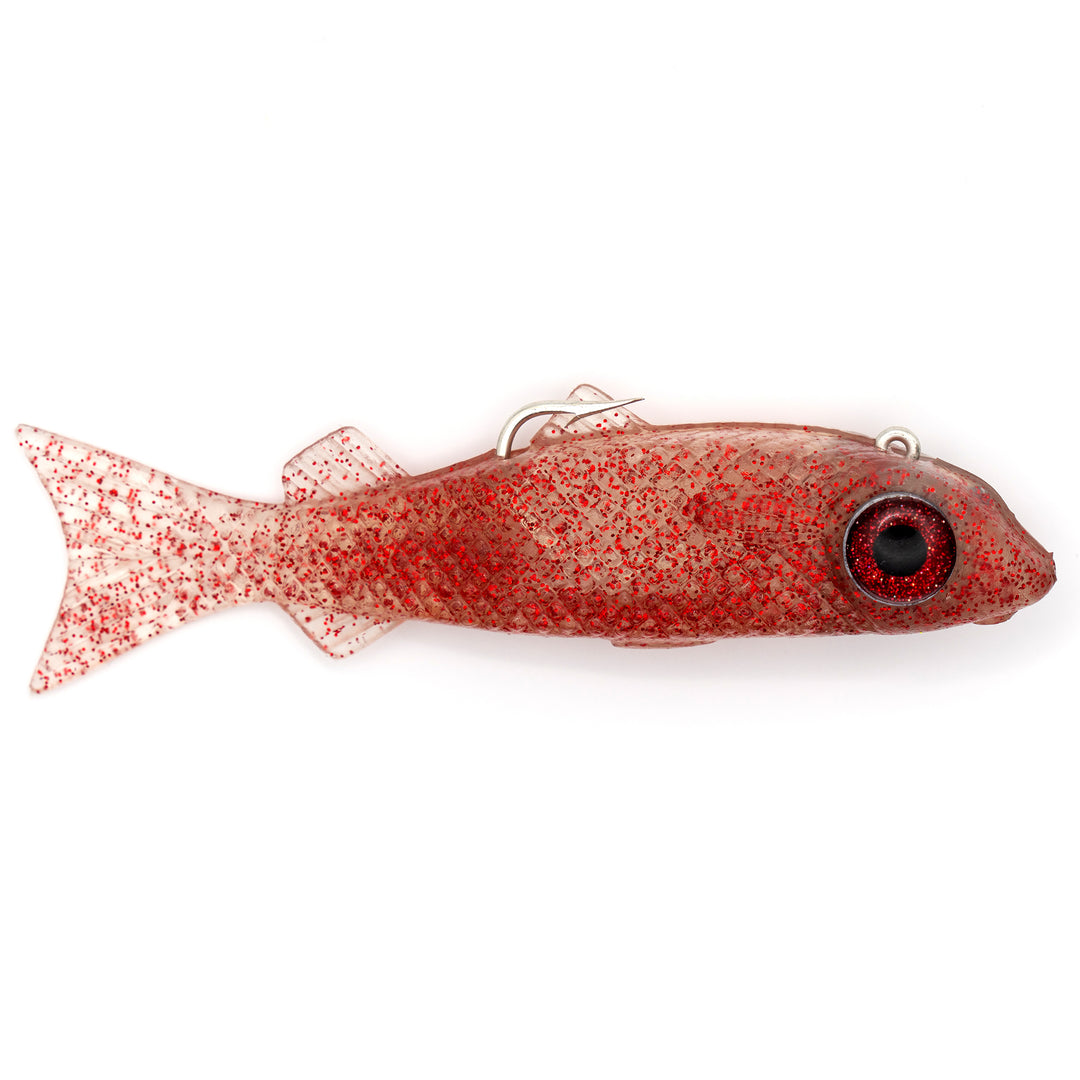
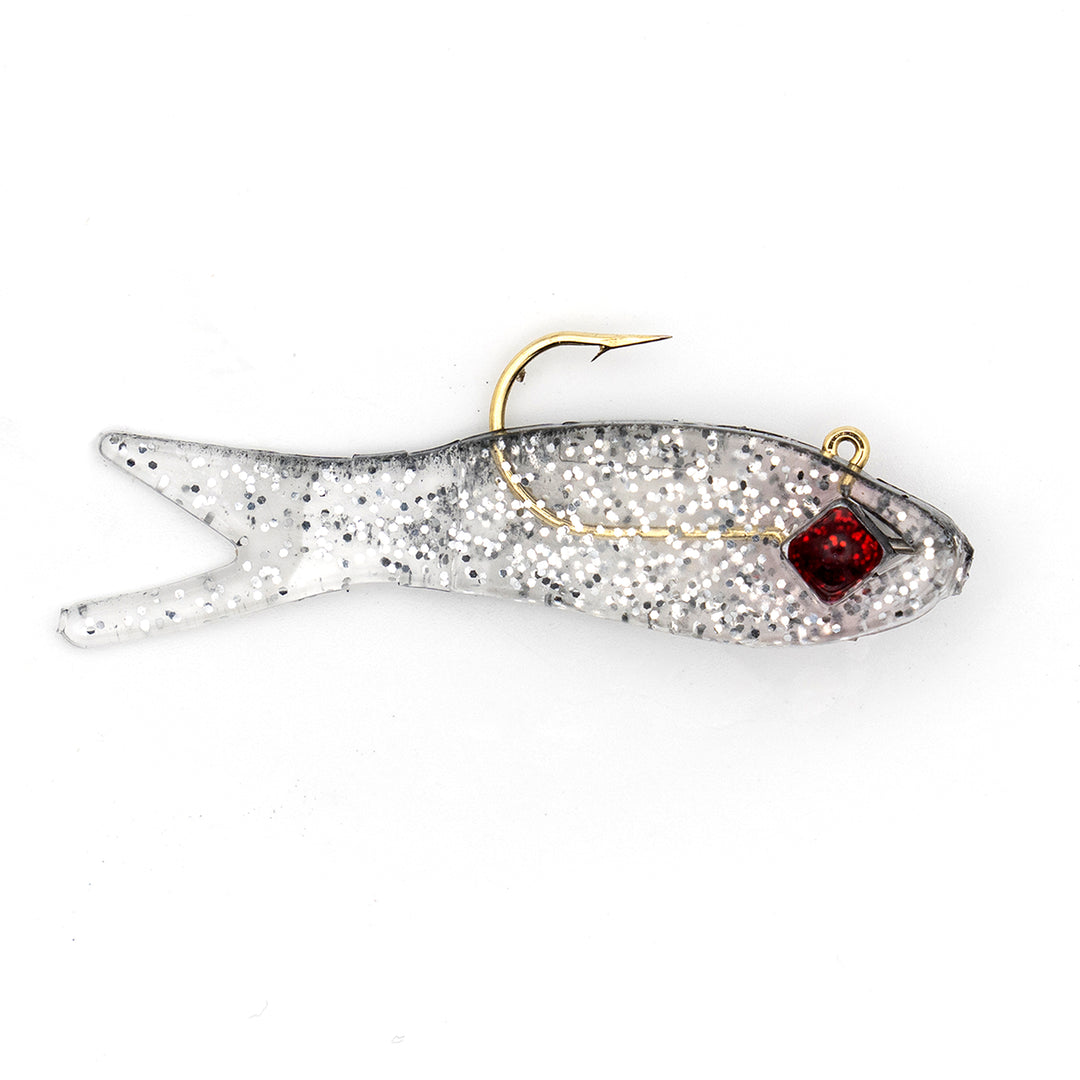
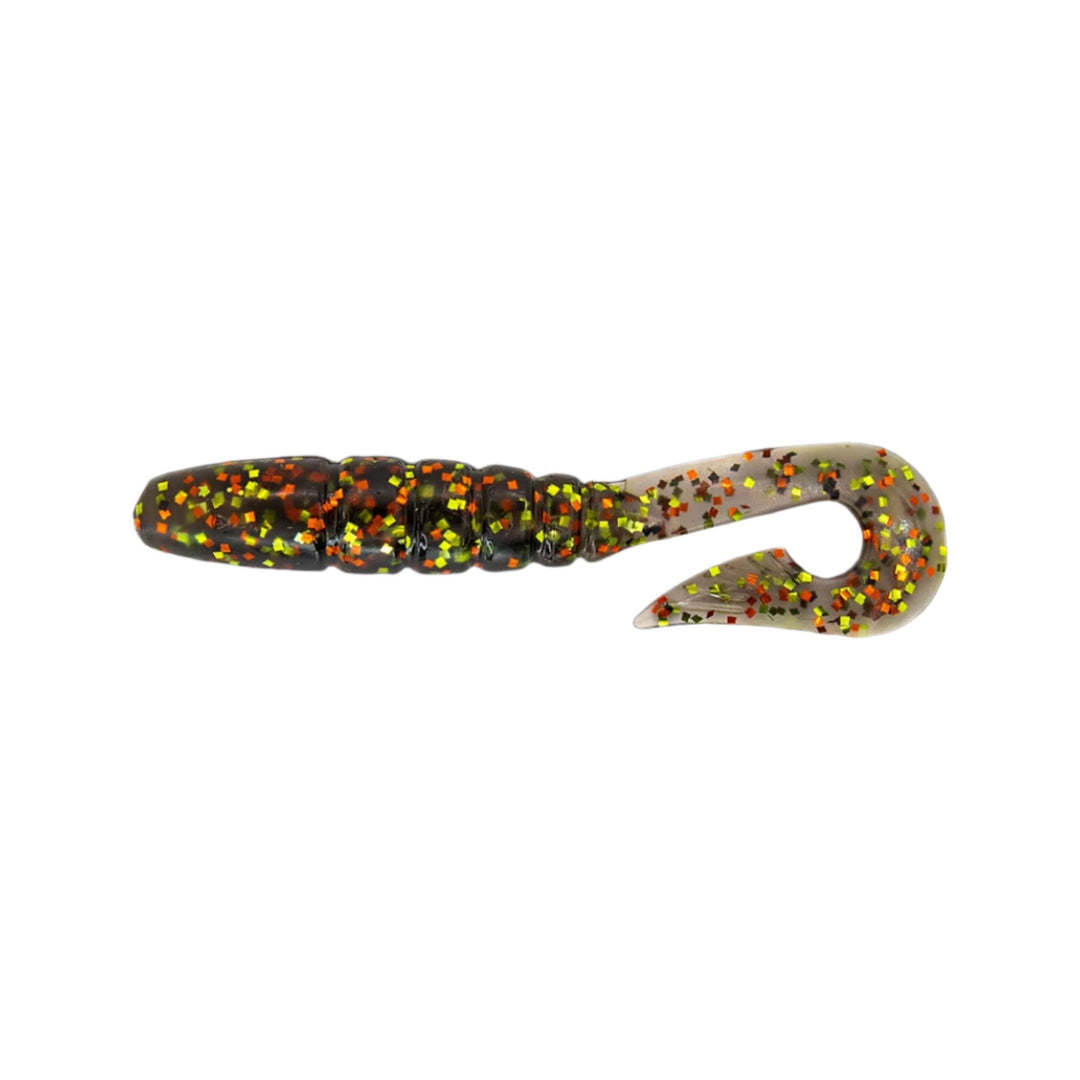
Tarpon eat on their own terms. They rarely chase, they almost never eat something moving away from them, and the whole game is putting a bait in front of a fish at its depth and letting it fall. That is what the TerrorEyz was designed to do, and it is why it has been a tarpon bait for four decades.
How to catch tarpon on D.O.A. lures
Bridges at night
On an outgoing tide, tarpon lay in the shadow line a bridge throws onto the water and eat what the current sweeps to them. Position up-current, cast well above the fish, and let the bait sink and swing through the shadow line with the tide doing the work. Almost every strike comes as the bait crosses from dark into light.
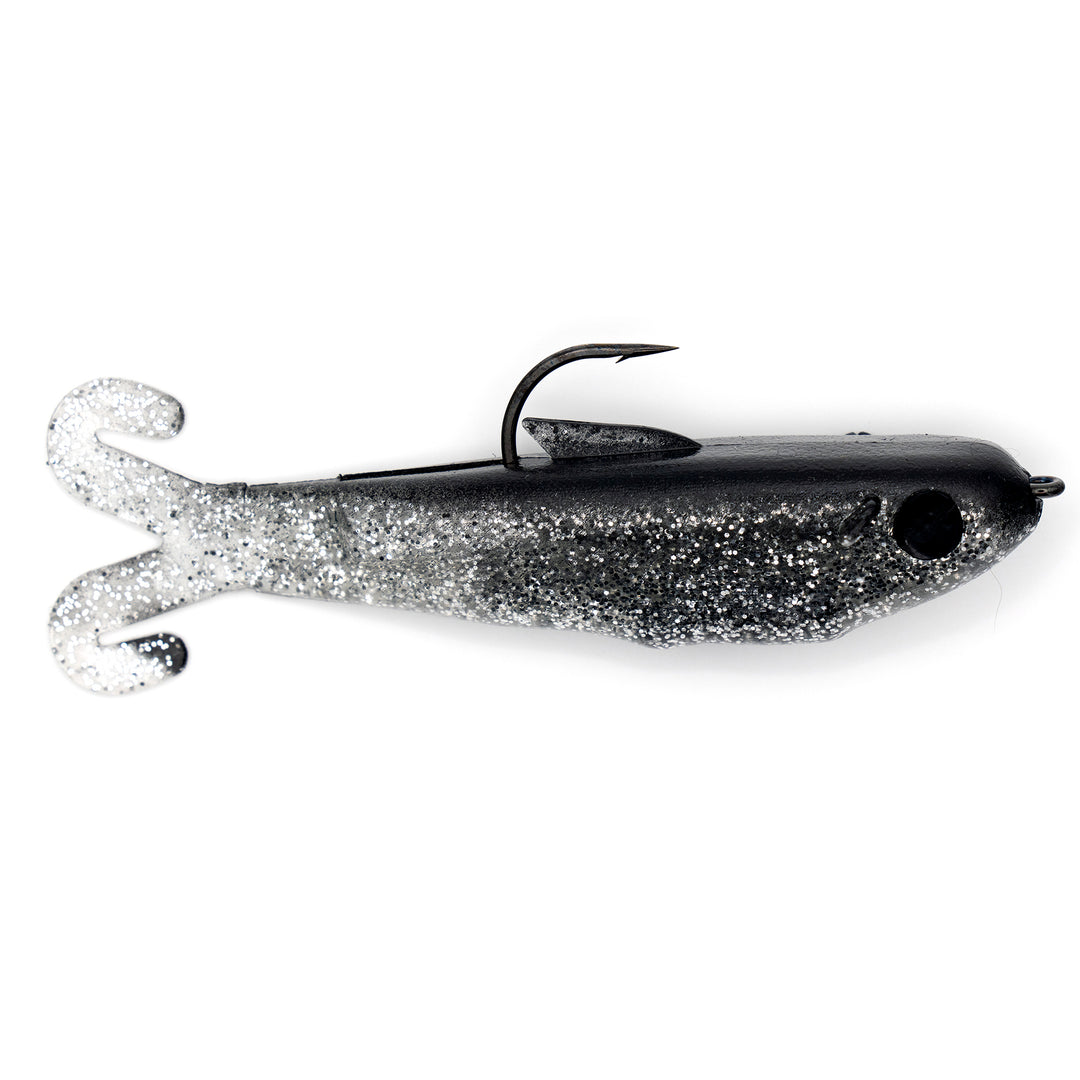
- Big One TerrorEyz — the 4" size, built for exactly this. Big profile, heavy enough to hold a swing in moving water.
- TerrorEyz — the standard size, for backcountry fish and anywhere the bait is smaller.
Beaches and passes
Migratory fish move the beaches and passes from late spring into summer. Lead the string of fish by a good distance, let the bait sink to their level, and keep the retrieve slow and steady — a bait that speeds up when a fish turns on it is a bait that does not get eaten. In deep passes with hard current, a Bait Buster Trolling or Super Heavy Trolling at 1.4 oz on a 6/0 hook gets down where a lighter lure sweeps over the top of them.
Backcountry and juvenile fish
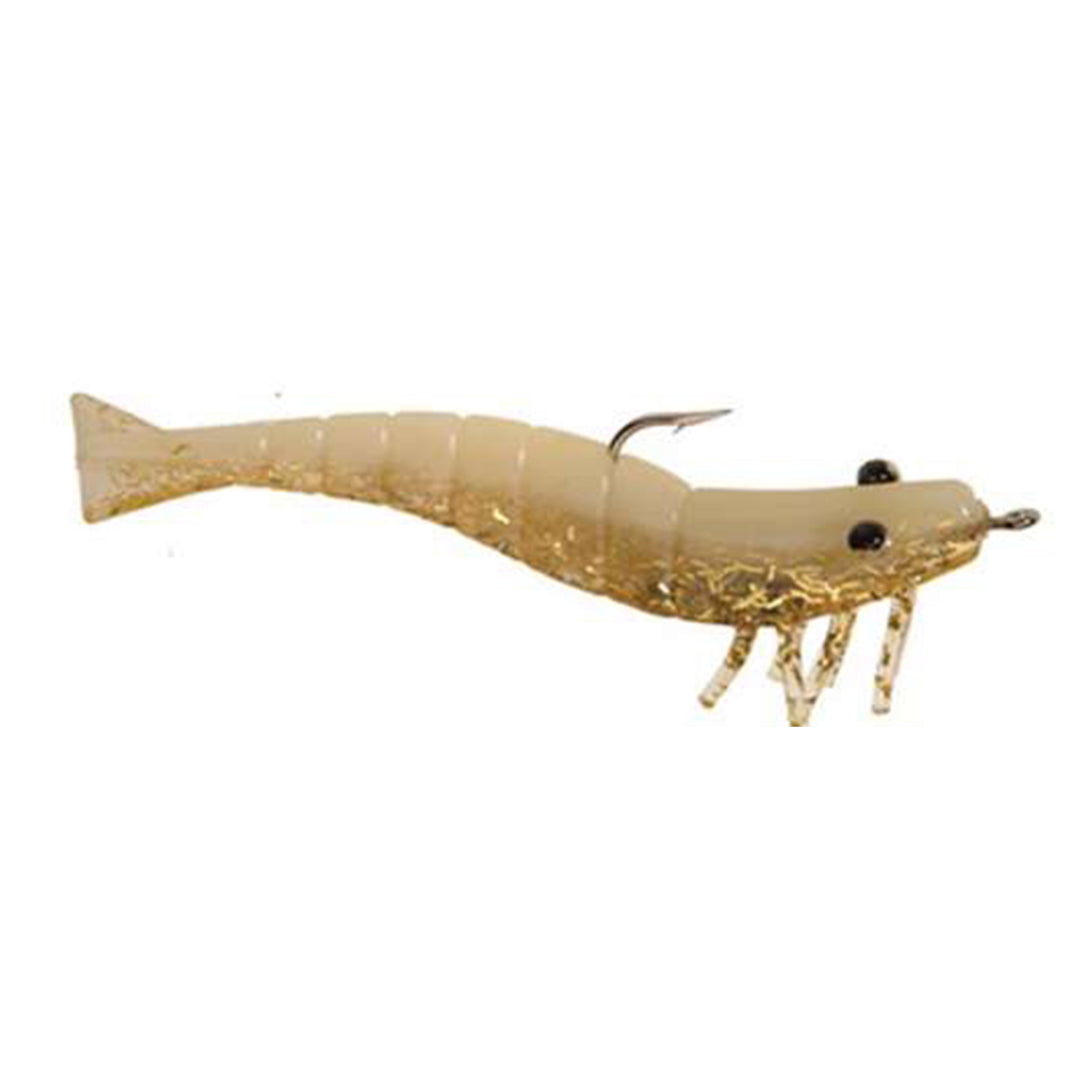
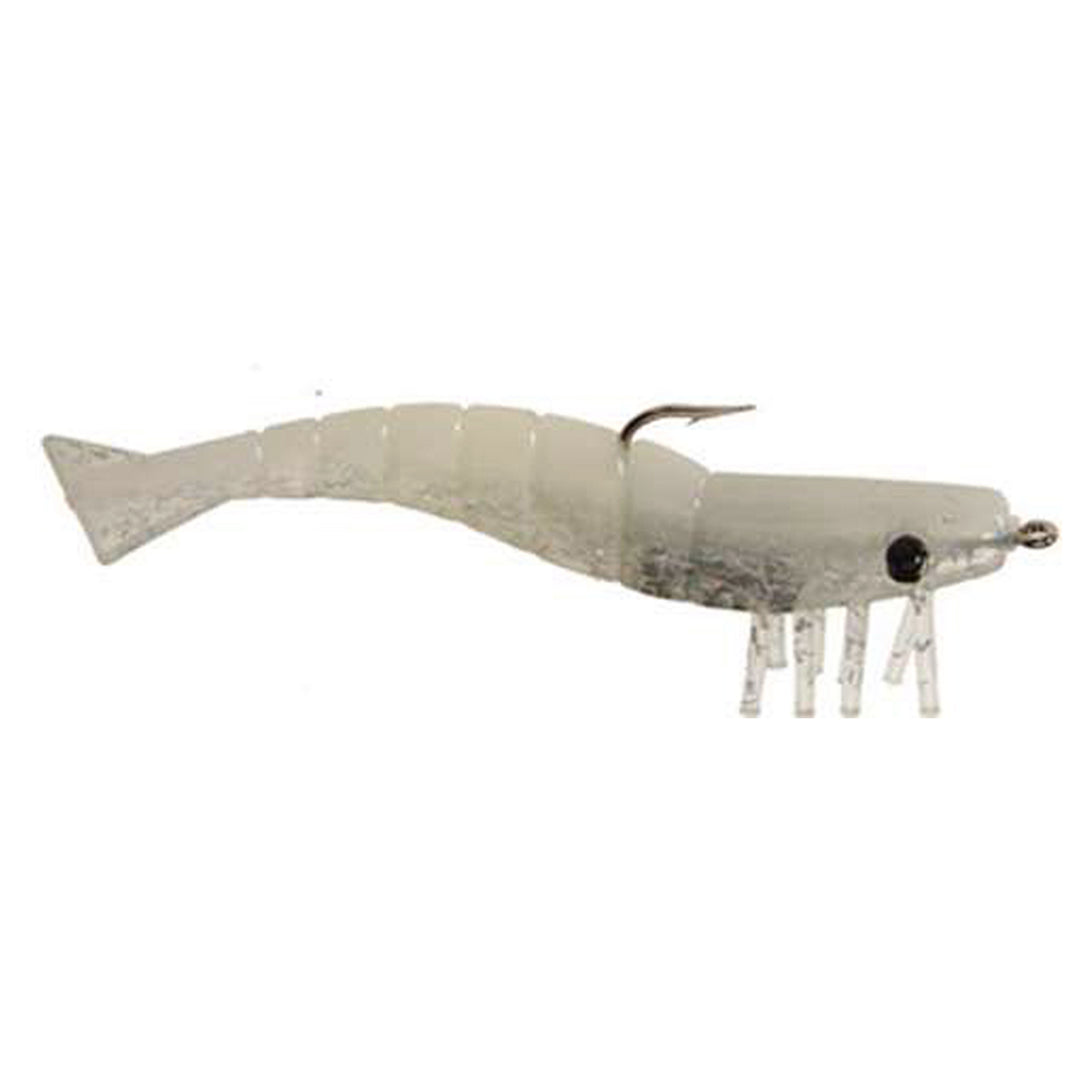
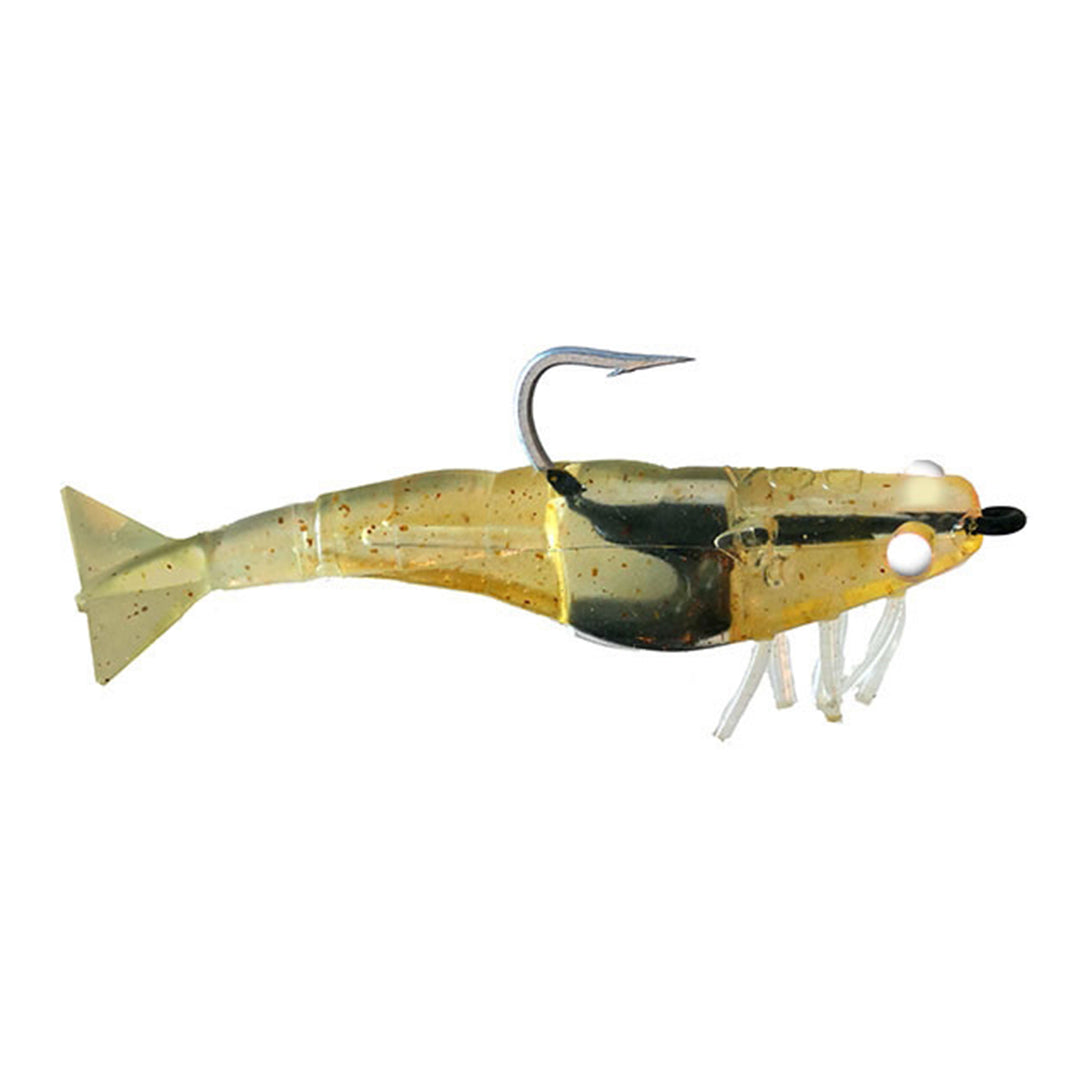
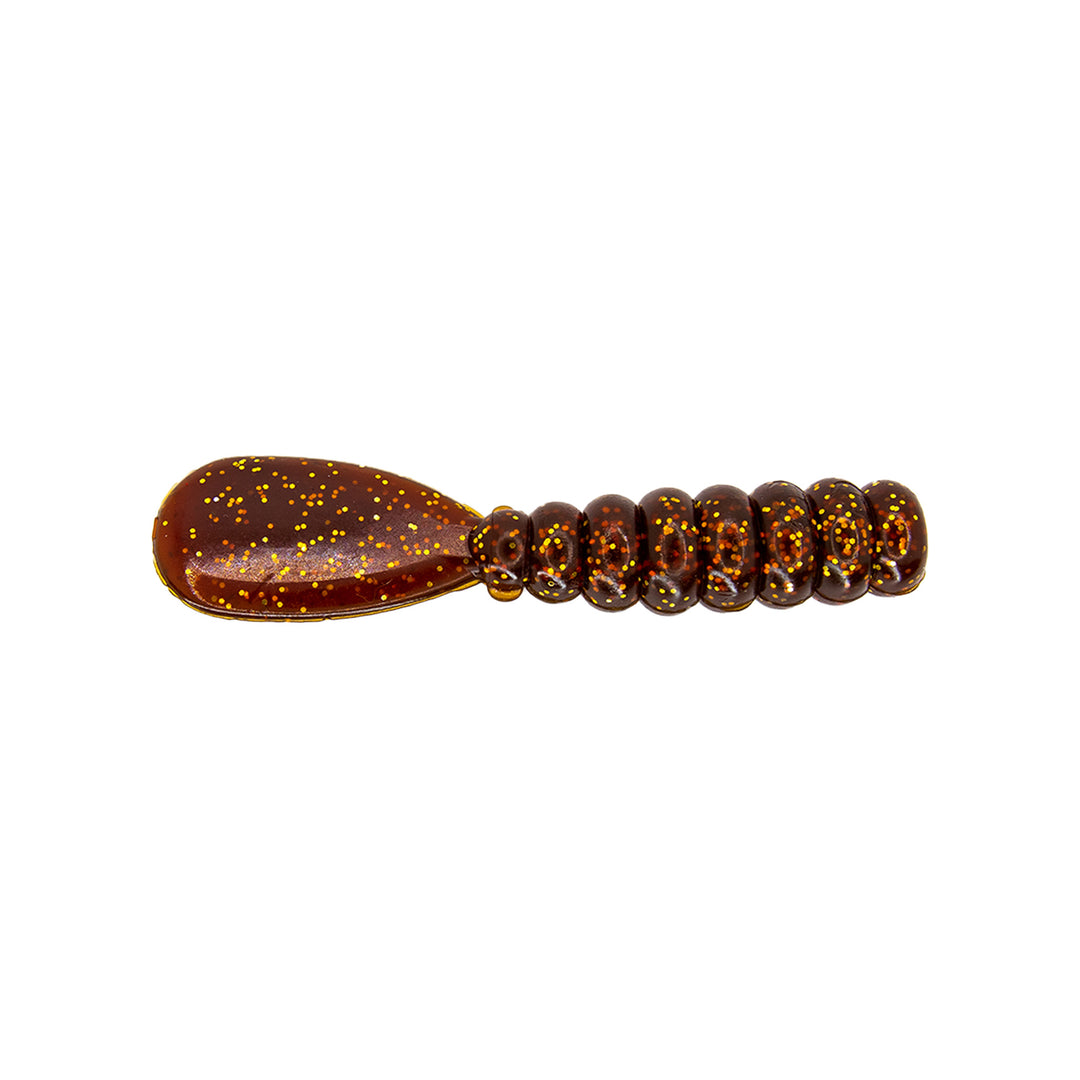
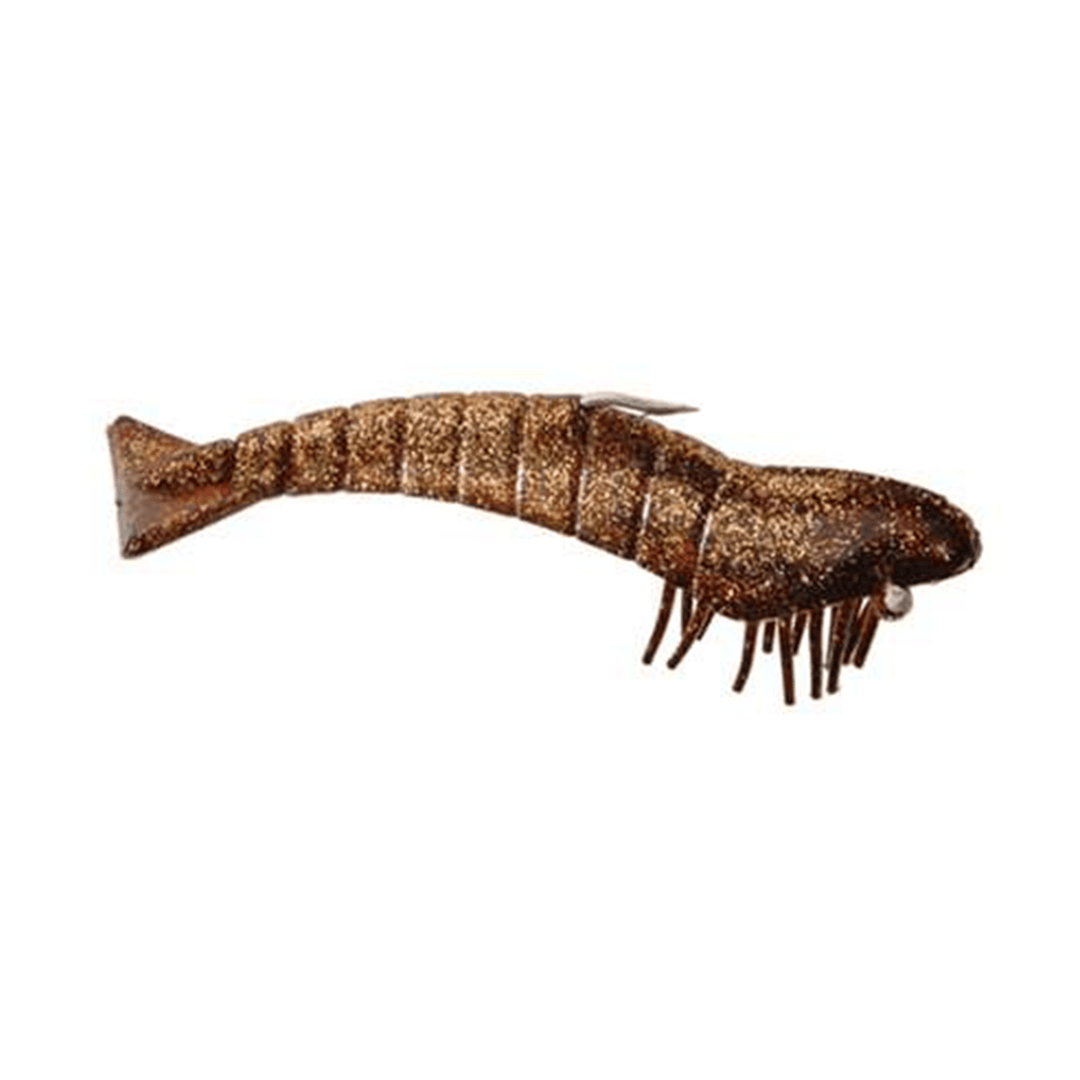
Juvenile tarpon live in creeks, canals and residential basins year round and they eat small. This is where the Tiny TerrorEyz and the 3" Shrimp shine — a quiet cast, a long pause, and a very slow retrieve. These fish spook easily, so the first cast is usually the only good one you get.
Color
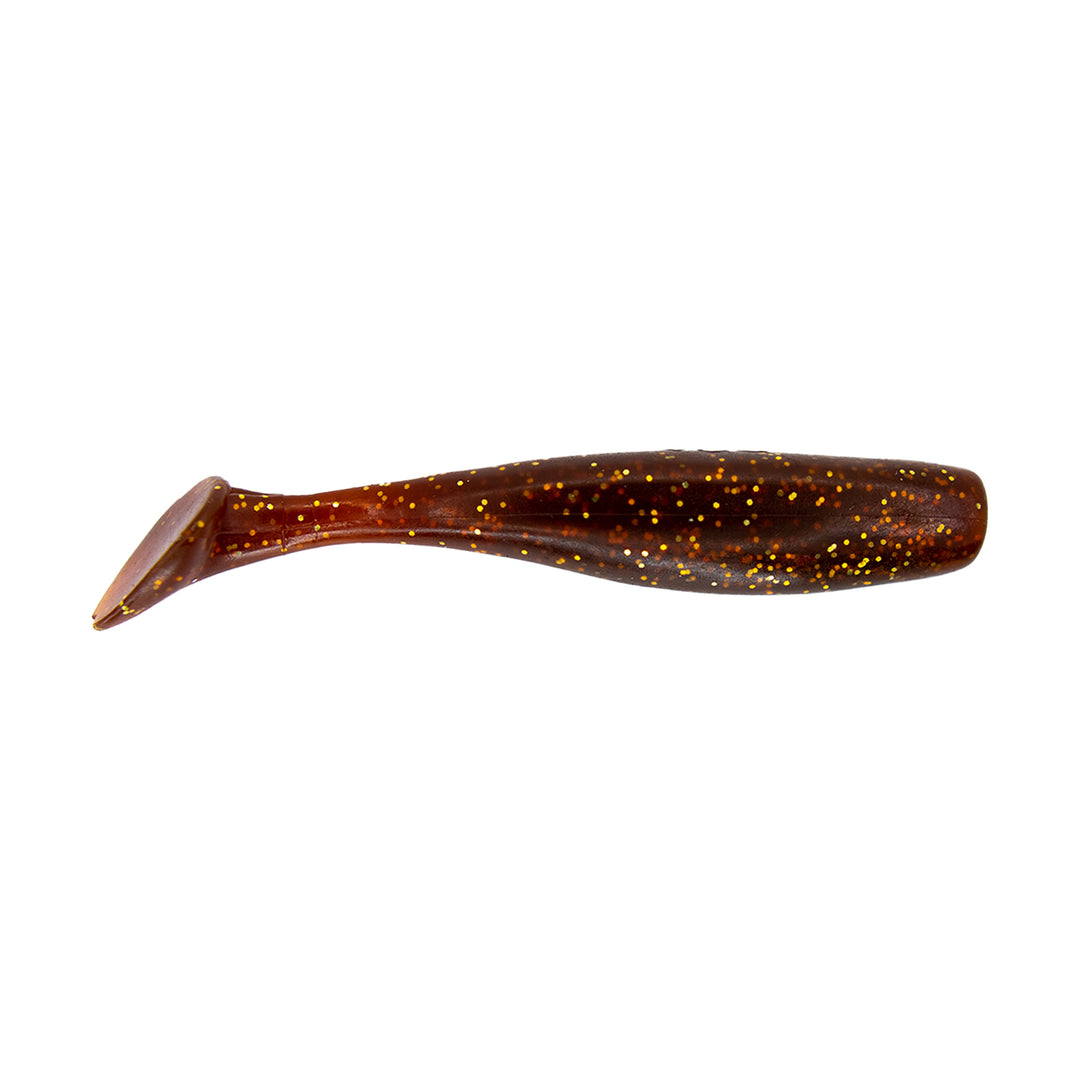
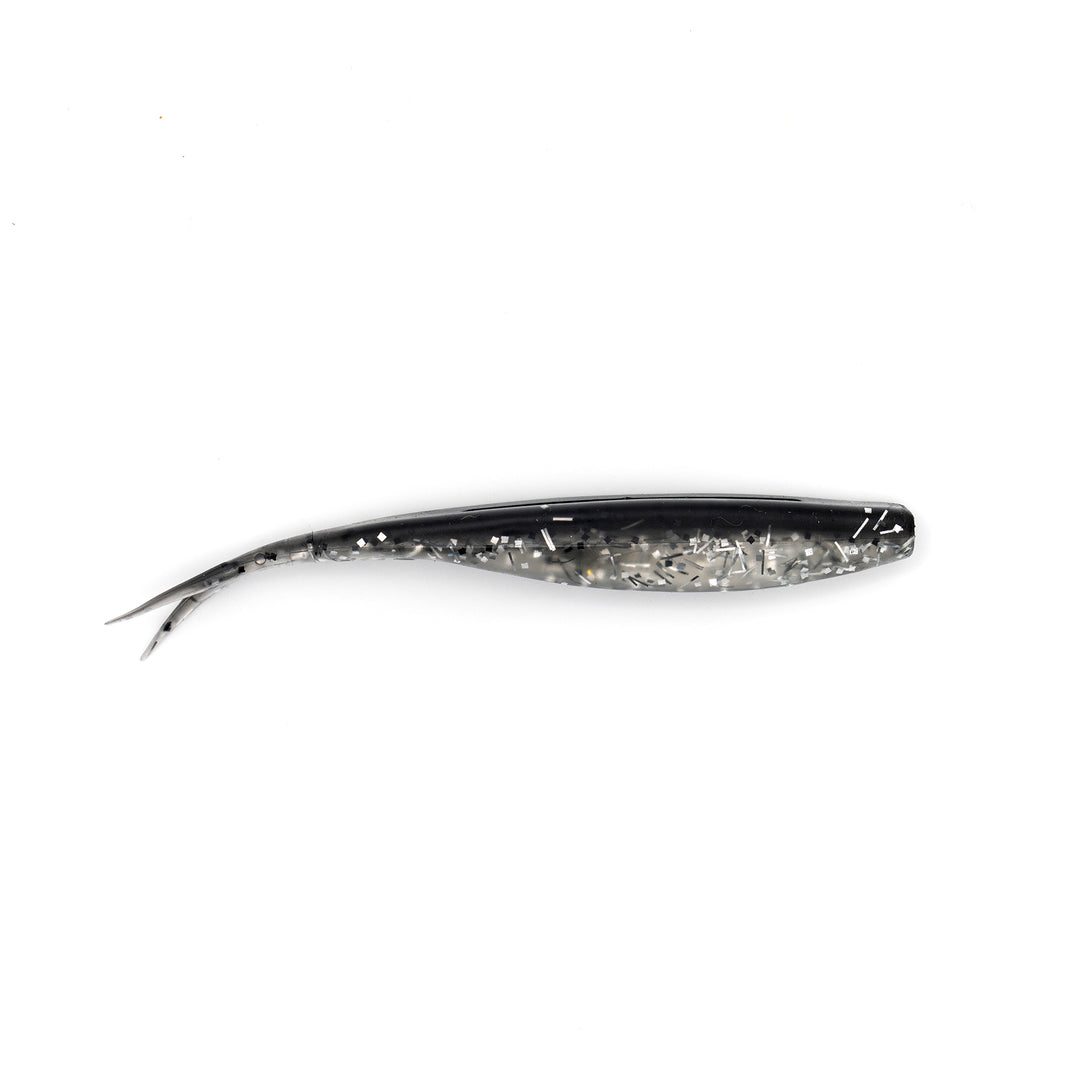
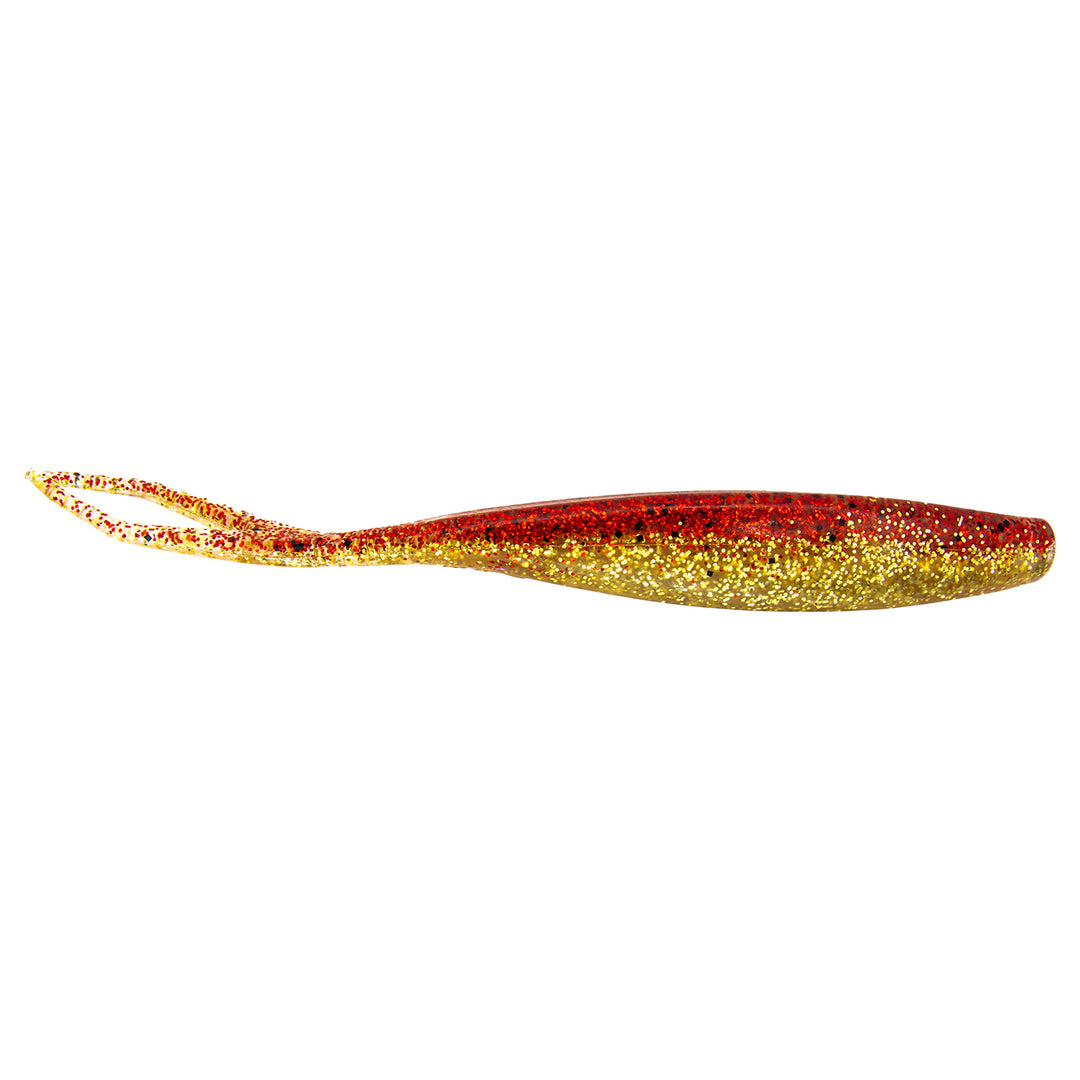
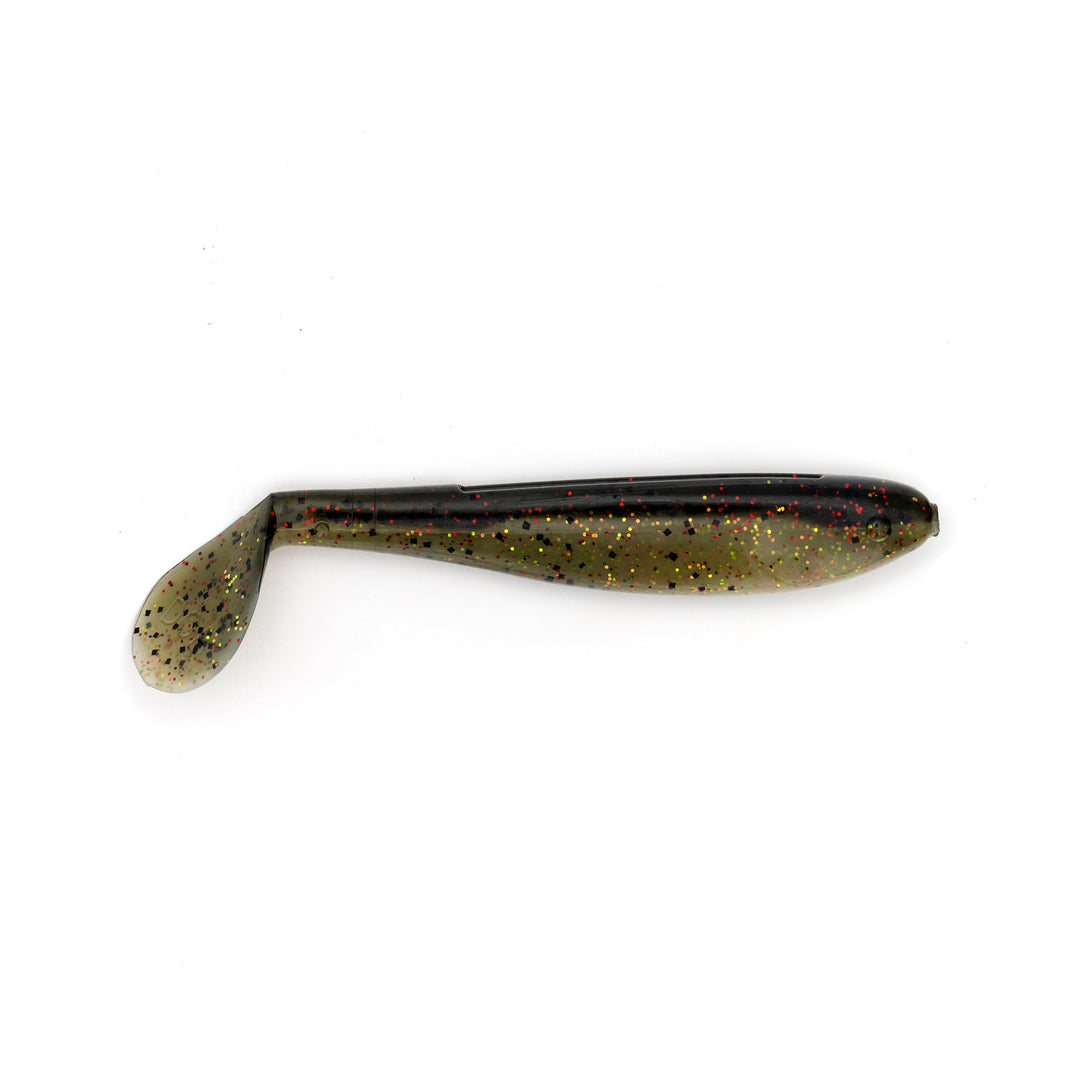
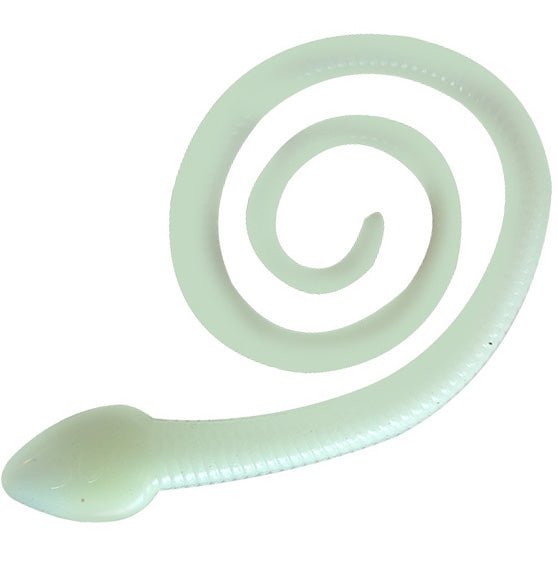
Nite Glow and Pearl at night and in low light. Rootbeer/Gold Glitter and Near Clear in clear daytime water. If the fish are keyed on a specific bait — glass minnows, threadfins, crabs — match the size before you worry about the color.
Hooks and leader
A tarpon's mouth is bone. Sharp hooks are not a preference, they are the whole thing — check your point against a thumbnail before every session and replace it when it dulls. Sixty to eighty pound fluorocarbon is normal; go lighter only when the fish are refusing and you are willing to lose some.